March Weather Spain
March Weather in Spain for Property Buyers
Honest data on Spain's March temperatures, sunshine, and rainfall — plus why this is the ideal month to visit and view coastal properties.
March Weather at a Glance
Weather Right Now
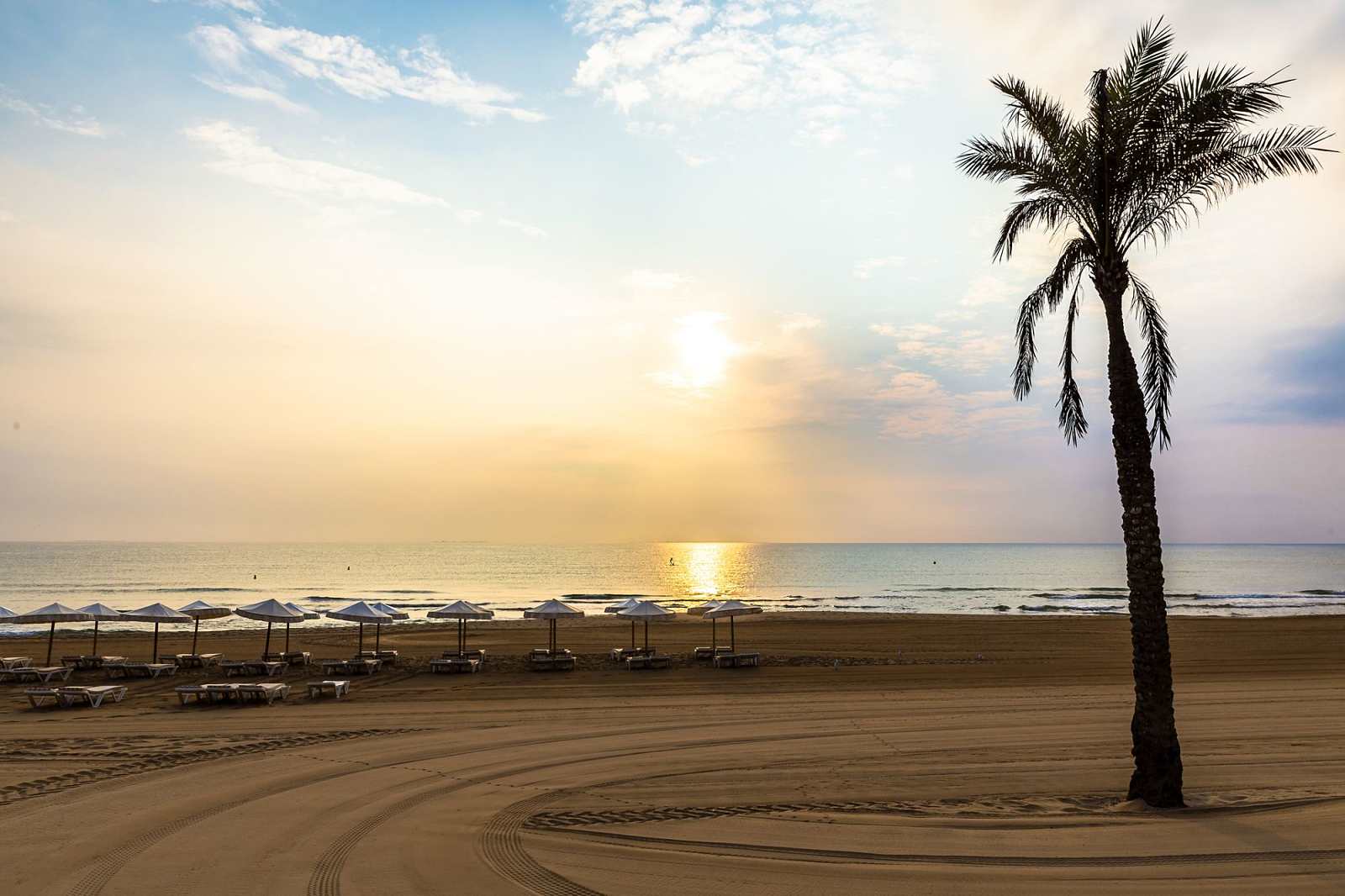
Spain’s Mediterranean coast enjoys one of Europe’s mildest climates, and March signals the transition from winter to spring. For Alicante and the Costa Blanca — where most international property purchases happen — March delivers reliably pleasant conditions that northern Europeans rarely experience before June. For a broader overview, see our climate and weather guide.
Average Monthly Highs in Alicante (°C)
March Days: Sunshine vs. Rain
| Metric | Value |
|---|---|
| Daytime high | 19–21°C |
| Overnight low | 9–10°C |
| Sea temperature | 14–15°C |
| Sunshine hours/day | 7–8 |
| Rainy days | 4–5 |
| Total rainfall | ~25 mm |
| Daylight hours | ~12 (7:00–19:30) |
What March Actually Feels Like
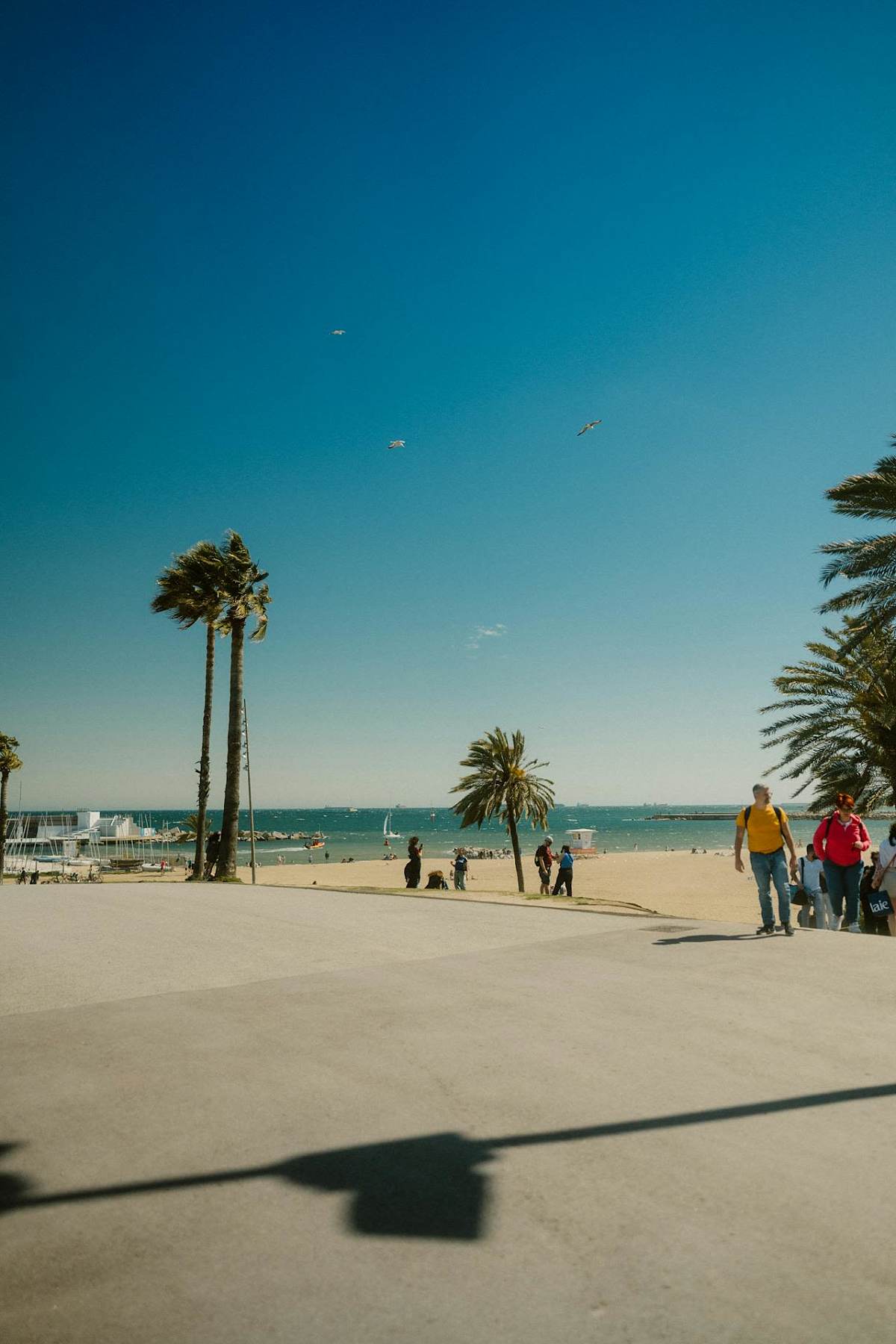
Mornings start cool — around 10°C at 8am — and you’ll want a light jacket or sweater for coffee on the terrace. By midday, particularly during the second half of the month, temperatures regularly push past 20°C. You’ll see locals in t-shirts and visitors from Scandinavia or the UK already in shorts, convinced summer has arrived.
Evenings cool quickly once the sun drops. A jumper and trousers are standard for dinner out, and you may want a light coat if you’re walking the promenade after 9pm. The warmth is real but not uniform — March has a rhythm.
Let’s be honest about the sea. Water temperatures hover around 14–15°C. Almost nobody swims. But the beaches aren’t empty — they’re filling up with walkers, runners, and people sitting with a coffee watching the Mediterranean. Beach chiringuitos (seasonal bars) start reopening toward Easter, and promenade cafés are already bustling at lunchtime.
If Easter falls in late March, the energy shifts noticeably. Holiday crowds arrive, restaurants extend their hours, and the coast takes on that unmistakable feeling of a season beginning. In years when Easter lands in April, late March feels quieter — still pleasant, but with a more local, unhurried character.
For anyone coming from northern Europe, the contrast is stark. March in Alicante delivers what Stockholm, Oslo, Amsterdam, or Manchester might experience in late May or early June. You’re outdoors eating lunch. You’re walking without rain gear. The light lasts until 7:30pm. If you’re trying to envision yourself as a property owner here, March lets you feel the lifestyle without the peak-summer crowds and heat.
Why Buyers Should Visit in March
Widest Property Selection
Winter listings are staged and ready, new-build launches begin, and inventory peaks before summer demand narrows the best options.
Test Outdoor Living
Assess terrace orientation, feel how afternoon sun hits the balcony, and judge outdoor spaces in real conditions — not from a screen.
Ahead of the Price Curve
Coastal property prices typically start climbing in March–April. Acting early positions you before seasonal demand drives stronger growth.
Combine Easter and Viewings
A spring holiday doubles as a property research trip — pleasant weather, active agents, and none of the summer overwhelm.

March is when Spain’s coastal property market wakes up. Viewing activity increases sharply as temperatures rise and more listings come to market. If you’re seriously considering a purchase, this is the month that rewards early action.
The practical advantages are significant. You can walk entire neighbourhoods in comfortable temperatures, visit multiple properties in a single day without heat exhaustion, and observe how a community actually lives — are people on their terraces? Are the cafés busy? Is the promenade alive in the evening? These details matter when you’re buying a lifestyle, not just a building.
If you’re visiting for Easter or a spring break, dedicating one or two days to property viewings makes practical sense. Agents are active but not yet overwhelmed with summer enquiries, and you can combine a genuine holiday with real due diligence. Our first-time buyer guide covers what to look for when assessing properties in person.
Planning Your March Visit
March on the Spanish coast requires light layers rather than heavy winter clothing. Pack a mix of t-shirts and light sweaters, a wind-resistant jacket for evenings, comfortable walking shoes for property viewings and promenade strolls, and sunscreen — the UV index is already moderate by mid-month.
Most restaurants, cafés, and shops in coastal towns are fully operational. You won’t find peak-summer crowds, which means easier reservations and a more authentic pace of life. Weekly markets run on schedule, and supermarkets stock the same range year-round.
Swimming is off the menu for most, but outdoor activities are ideal: coastal walks, cycling, golf, and dining al fresco. The temperature sits in that comfortable middle ground where you can be active without overheating — something July and August can’t offer. Daylight hours (roughly 7:00am to 7:30pm) give you ample time to visit multiple properties, observe morning and afternoon light in different locations, and still enjoy a relaxed evening meal.
Planning a Spring Visit?
See Properties While the Season Turns
If you're visiting Spain for Easter or spring break, let us arrange property viewings. See your potential investment when the market heats up and the lifestyle speaks for itself.
View Properties