Village vs City
Living in a Spanish Village vs City: Pros & Cons
Compare village and city life in Spain. Honest guide to costs, lifestyle, services, and community for expats deciding where to settle.
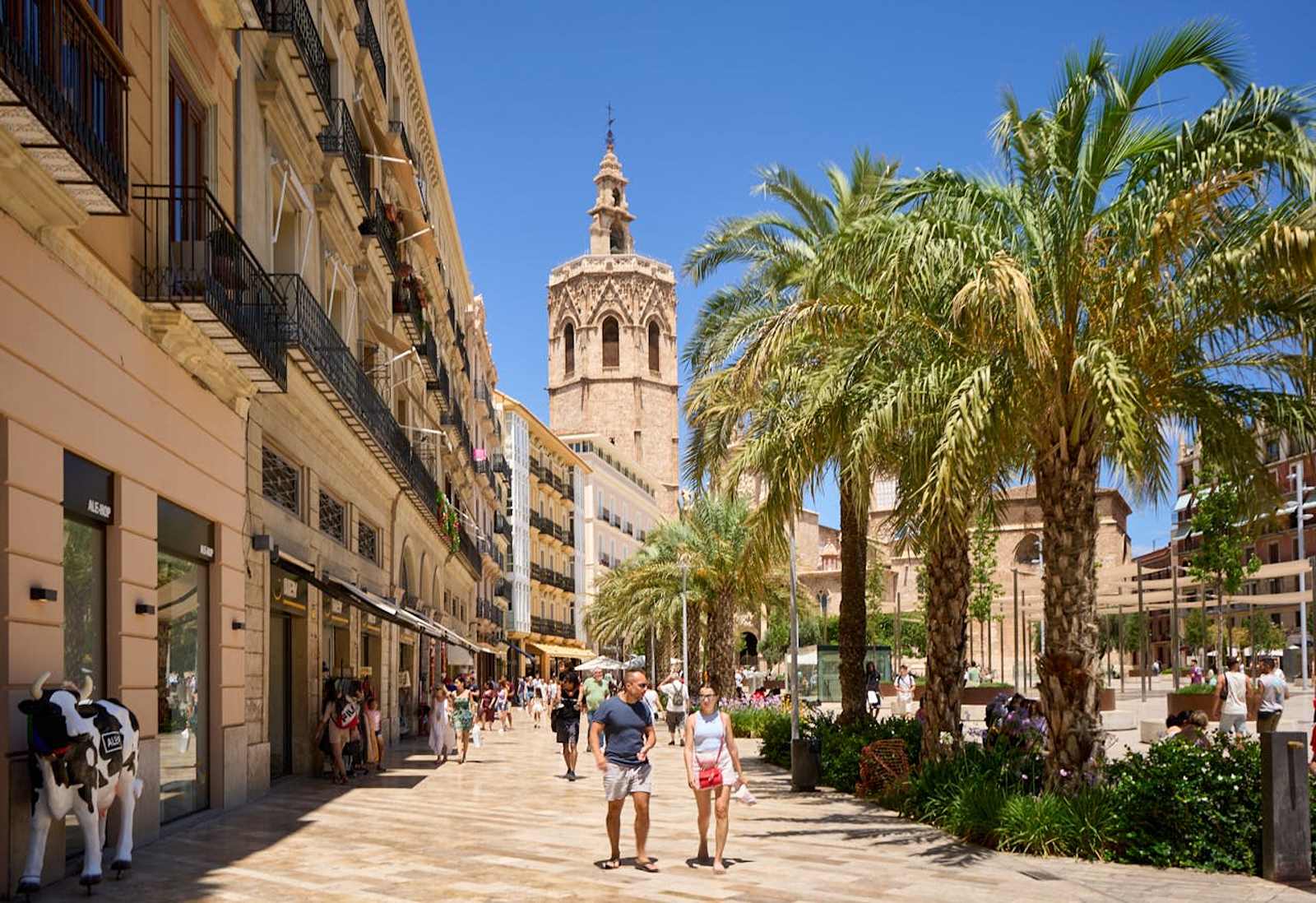
Choosing between a Spanish village and a city is one of the most important decisions you'll make when moving to Spain. Both offer genuine appeal—but they deliver very different daily experiences.
A Spanish village typically has fewer than 10,000 residents, often much smaller. Life moves slowly. Shops close for siesta. Everyone knows everyone. You'll hear church bells, not traffic.
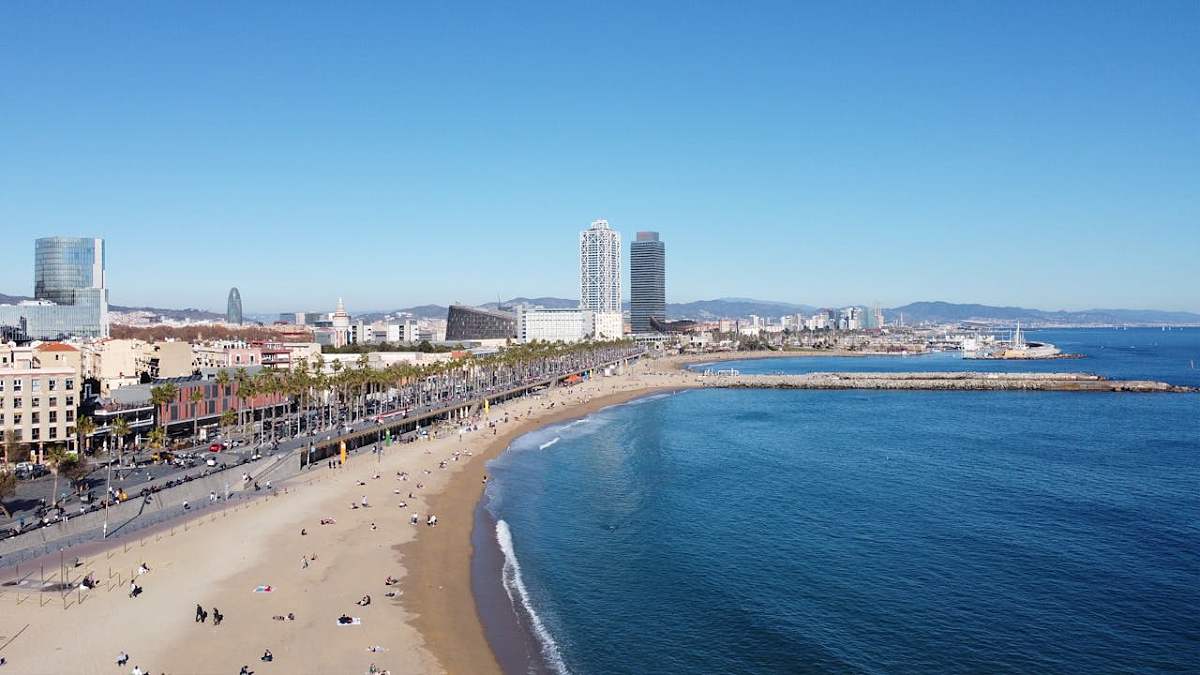
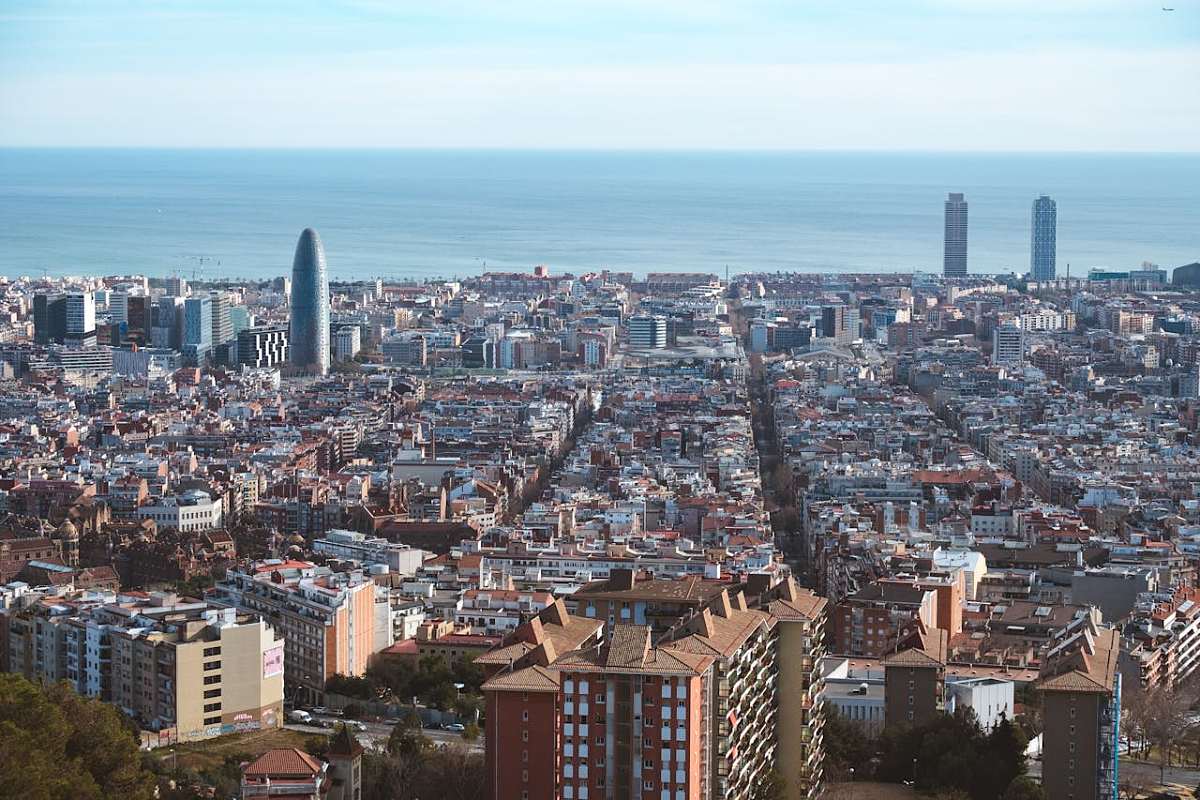
Spanish cities—Madrid, Barcelona, Valencia, Alicante—offer the opposite: round-the-clock activity, diverse services, international communities, and easy access to airports and hospitals.
Neither is objectively better. The right choice depends entirely on what you need from daily life.

Comparing Costs and Services
Cost of living differs significantly between villages and cities. Here's what to expect:
Housing
Village properties cost substantially less. A townhouse in a mountain village might cost €80,000-150,000, while a similar-sized property near a city could be €200,000-400,000. Rentals follow the same pattern.
Daily Expenses
Groceries are often similar, though village markets can be cheaper for local produce. Restaurants in villages typically charge less than city equivalents. Utilities cost about the same.
Healthcare Access
Cities have hospitals, specialists, and private clinics within minutes. Villages have local health centres for basic care, but specialists and emergencies may require 30-60 minute drives. This matters significantly for retirees or families with health concerns.
Transport
Cities offer buses, metros, and taxis. A car is optional. In villages, a car is essential—public transport is limited or nonexistent. Factor in vehicle costs when budgeting.
The Honest Comparison
Village Living
Village Advantages
Village Challenges
City Living
City Advantages
City Challenges
Which Lifestyle Suits You Best?
Retirees
Villages suit active retirees wanting peace and affordability. Choose cities if healthcare access is a priority.
Families
Cities offer better schools and activities. Villages work well with older children who are adaptable.
Digital Nomads
Cities guarantee reliable internet and coworking spaces. Some villages now have good connectivity—check first.
Investors
Cities provide better rental yields. Villages offer capital appreciation for renovation projects.
Common Misconceptions
Villages aren't isolated. Most villages within 30 minutes of a city or coast offer the best of both worlds—rural peace with accessible services.
Cities aren't stressful. Spanish cities move slower than northern European capitals. The Mediterranean pace persists even in Barcelona and Valencia.
The ideal approach? Rent in both settings before buying. Spend a month in a village, then a month in a city. Your gut will tell you which feels like home.
For practical guidance on buying property once you've decided, see our first-time buyer guide or learn about costs and taxes involved in purchasing.
Village and city life in Spain each offer genuine advantages. Villages provide affordability, peace, and authentic culture. Cities deliver convenience, services, and international community. Your perfect choice depends on what matters most: tranquility or accessibility, integration or convenience, budget or lifestyle.
Don't rush this decision. Visit both settings in different seasons. Talk to expats already living in each environment. The right location makes everything else about your Spanish life easier.
Ready to Explore?
Find Your Ideal Spanish Property
Whether you're drawn to village tranquility or city convenience, we can help you find the right property in your preferred location.
Browse PropertiesTalk to a local broker
We live and work on Costa Blanca North — Jávea, Dénia and the towns around our office. We are a licensed estate agency, not only a guide: homes on our books, trusted partners for banking, legal, currency and other locations when you need them. Tell us where you are thinking of moving. No property shortlist required. We will help you find a sensible next step.
Talk to us