
Lifestyle Guide
Food & Wine in Dénia
A UNESCO Creative City of Gastronomy where red prawns are legendary, rice dishes are an art form, and every meal tells a story.
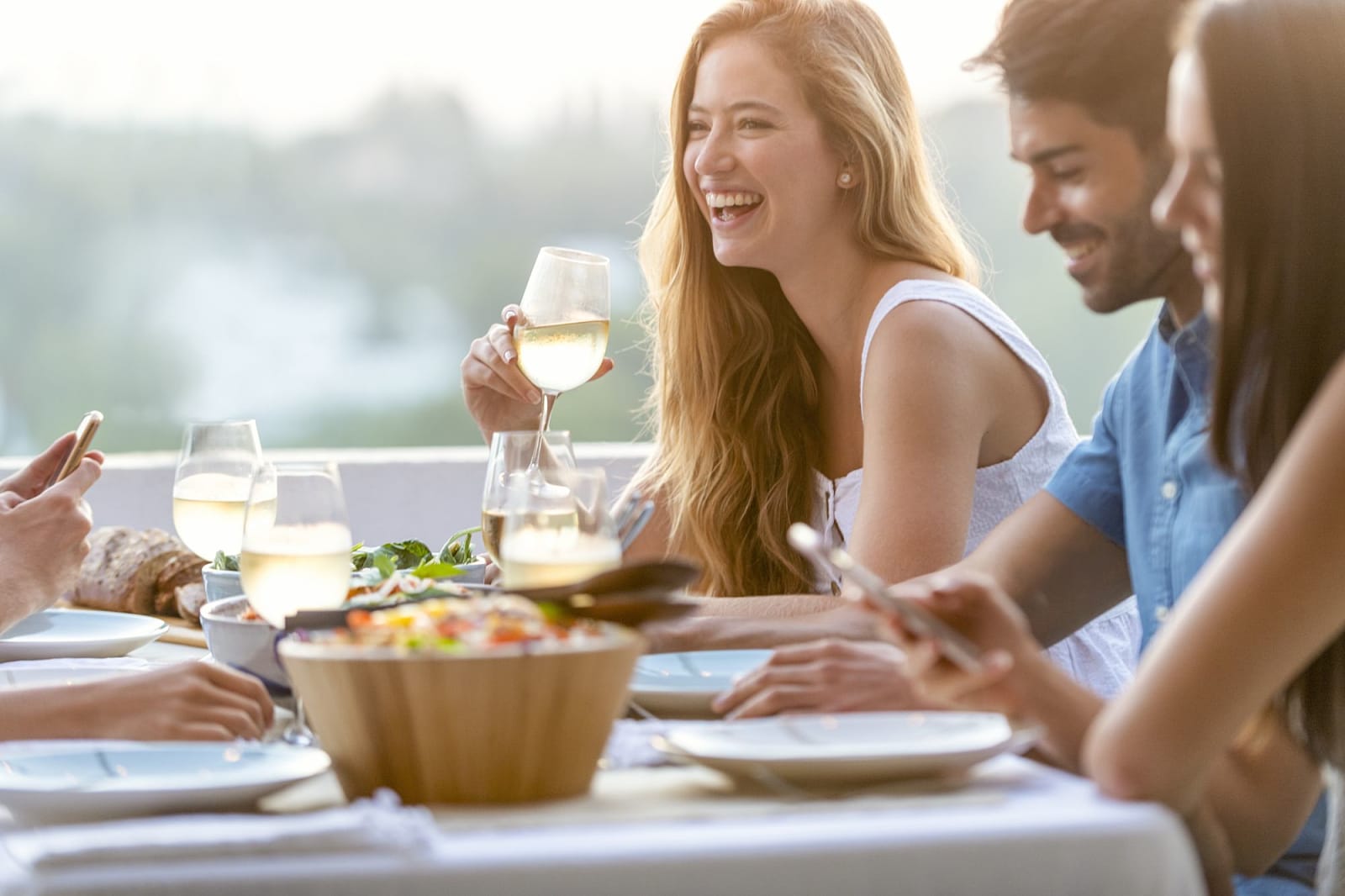
Dénia isn't just another pretty coastal town. In 2015, UNESCO named it a Creative City of Gastronomy—one of only a handful worldwide. This recognition wasn't about Michelin stars (though it has those too). It was about a living food culture: fishermen landing their catch at dawn, rice farmers tending paddies in the nearby marshes, and families who've passed down recipes for generations.
The Red Prawn: Dénia's Culinary Icon
The gamba roja de Dénia is more than a prawn—it's a symbol. These deep-water crustaceans, caught in the submarine canyon off the coast, have an intensely sweet, almost lobster-like flavour that's unlike anything else in the Mediterranean.
Every morning at the port, the fish auction (lonja) begins at 5pm—yes, you can watch. Restaurateurs, fishmongers, and curious visitors crowd around as the day's catch is sold. The red prawns command the highest prices, sometimes €100+ per kilo for the best specimens.
How to eat them? Locals are purists: grilled a la plancha with just sea salt, or raw as sashimi with a squeeze of lemon. The heads are sucked clean—that's where the magic is.

Rice: The Other Obsession
Valencia may claim paella, but Dénia's rice dishes are equally revered. The nearby Pego-Oliva marshes produce exceptional bomba rice, and local chefs have elevated arroz to high art.
Don't just order paella. Try arroz a banda (cooked in fish stock), arroz del senyoret (peeled seafood), arroz negro (squid ink), or arroz meloso (creamy texture). The best restaurants cook over orange wood flames.
Where to Eat
From Michelin stars to family-run beach shacks, Dénia delivers at every level.


Quique Dacosta needs no introduction. His three-Michelin-star restaurant in Dénia is regularly ranked among the world's best. The tasting menu is an experience—expect avant-garde techniques, local ingredients transformed beyond recognition, and a bill to match. Worth it for a special occasion.
For something more casual, Ca Nano on Les Marines beach has been serving rice dishes since 1968. No reservations for the terrace; just turn up and wait. Order the arroz a banda and a bottle of local white.
The port area has transformed in recent years. Els Magazinos, a converted warehouse, now houses multiple food stalls, a cocktail bar, and regular events. It's where locals go on summer evenings.
Markets & Local Produce
Dénia's Mercat Municipal is the heart of daily life. Open every morning except Sunday, it's where locals shop for fish still glistening from the sea, vegetables from nearby farms, and cured meats from the mountains.
Go early—by 11am the best produce is gone. The fish section is particularly impressive: red prawns, of course, but also rape (monkfish), sepia (cuttlefish), and whatever else came in that morning.
On Fridays, the weekly street market takes over the town centre. It's more about clothes and household goods than food, but the atmosphere is pure Spain—loud, crowded, and chaotic in the best way.
Sobrasada
Spreadable cured sausage from nearby Mallorca. Perfect on toast.
Turrón
Almond nougat from Jijona, 30 minutes inland. A Christmas staple.
Olive Oil
The Alicante province produces excellent single-estate oils.
Mistela
Sweet local wine, perfect with dessert or as an aperitif.
Local Wines
The Alicante wine region doesn't have the fame of Rioja or Ribera del Duero, but that's changing. The Monastrell grape thrives in this climate, producing bold, fruit-forward reds that pair beautifully with local cuisine.
For whites, look for wines made from Moscatel—the same grape used for sweet dessert wines, but increasingly vinified dry. Fresh, aromatic, perfect with seafood.
Several wineries offer tastings within an hour's drive of Dénia. Bodegas Bocopa and Enrique Mendoza are good starting points.
Key Varieties
Dénia is more affordable than you might expect for a UNESCO-recognised food destination. A coffee costs €1.50, a caña (small beer) €2, and a three-course menu del día €12-15. Even at mid-range restaurants, expect €25-35 per person with wine.
The cost of living is 30-40% lower than Northern Europe. Groceries from the market are excellent value—fresh fish, local vegetables, and quality olive oil at prices that would be impossible back home.
Property in Dénia commands a premium over nearby towns, but remains accessible. Apartments in the old town start around €200,000, while sea-view villas begin at €400,000. The rental market is strong thanks to year-round tourism.
For a detailed breakdown of buying costs and taxes, see our property calculator. Budget 10-13% on top of the purchase price for transaction costs.
More Than a Meal
What makes Dénia special isn't any single restaurant or ingredient—it's the attitude. Food here is social, unhurried, and deeply connected to place. A two-hour lunch is normal. Wine flows freely. Conversations linger.
If you're considering buying property in the area, this food culture is part of what you're buying into. It shapes daily life in ways that are hard to appreciate until you've lived it: the morning market run, the long Sunday lunch with neighbours, the evening paseo that ends at a terrace bar with a glass of something cold.
That's not a bad way to live.