
Spanish Tapas Guide
The Importance of Tapas in Spanish Culture
Discover why tapas are central to Spanish life. Learn regional traditions, social rituals, and how to enjoy tapas like a local, not a tourist.
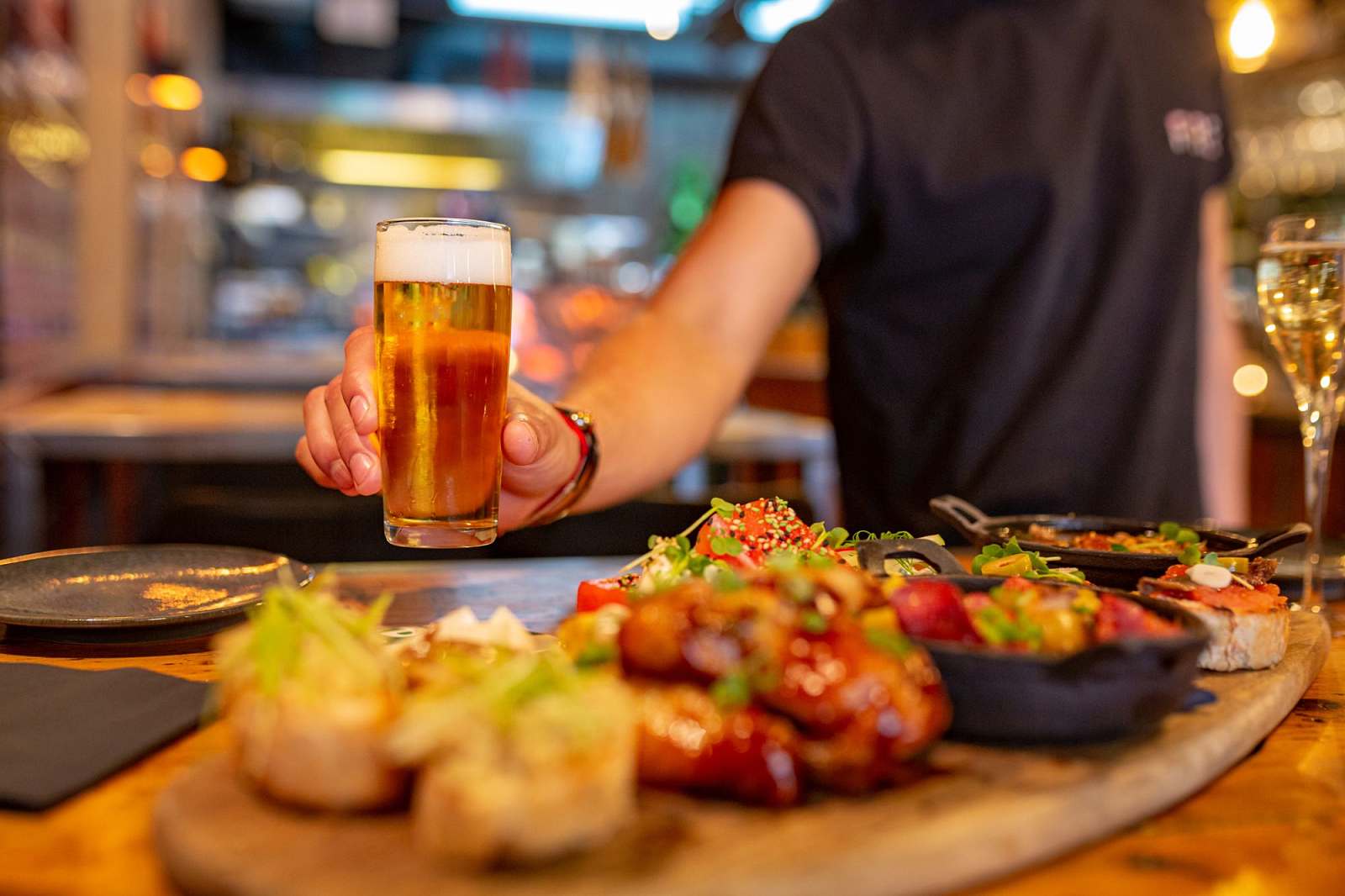
More Than Small Plates
Ask a Spaniard about tapas and you won't get a simple definition. That's because tapas aren't really about the food—they're about how you eat it, who you're with, and the unhurried rhythm of sharing small moments with friends and strangers alike.
The word tapa means "lid" or "cover," and the most popular origin story claims that bartenders once placed small plates or slices of bread over wine glasses to keep flies out. Whether true or legend, this humble beginning evolved into one of the world's most distinctive dining cultures.
Today, tapas represent something essential about Spanish values: the belief that eating should be social, leisurely, and pleasurable. In a country where lunch can last two hours and dinner doesn't start until 9pm, tapas fit perfectly into the spaces between—a bridge between work and home, a reason to meet friends, a ritual that happens almost daily for many Spaniards.
Social Connection
Tapas are rarely eaten alone. They're designed for sharing, conversation, and spending time with others—the food is secondary to the company.
Unhurried Pace
There's no rush. Spaniards might visit several bars in one evening, having one drink and one tapa at each—a ritual called "ir de tapas."
Neighbourhood Anchors
Local tapas bars are community hubs where regulars know each other, bartenders remember orders, and newcomers are quickly welcomed.
Tapas Vary Across Spain
Spain's regional diversity extends to its tapas culture. What you experience in Seville bears little resemblance to San Sebastián, and understanding these differences helps you appreciate what's distinctive about each place.

Free Tapas Culture
In parts of Andalucía—particularly Granada, Jaén, and Almería—tapas come free with every drink. Order a beer and you'll receive a small plate without asking. Order another drink, get another tapa. This tradition dates back centuries and remains gloriously alive. Bars compete on the quality of their free tapas, so you can eat well simply by moving from bar to bar, paying only for drinks.
Basque Pintxos
The Basque Country has its own tradition: pintxos (pronounced "pinchos"). These are typically skewered or served on small pieces of bread, lined up along the bar in an elaborate display. You take what you want and keep the toothpicks—at the end, you pay based on how many picks you've collected. San Sebastián is famous for having more Michelin stars per capita than anywhere except Kyoto, and the pintxos bars show why.
Madrid and Catalonia
In Madrid and Barcelona, tapas are generally paid items ordered from a menu. There's no free tapa tradition here, but the variety is enormous—from traditional patatas bravas to modern creations by innovative chefs. Both cities have embraced tapas as a format while developing their own regional dishes and styles.
Enjoying Tapas Like a Local
When to Go
Timing matters. Spaniards don't eat tapas at typical meal times—they go between meals. The prime tapas hours are around 1-2pm (before lunch) and 8-10pm (before dinner). Weekends are particularly social, with groups gathering in the early evening and gradually working their way through the neighbourhood.
If you arrive at a tapas bar at noon or 7pm, you might find it empty or full of tourists. Wait until the locals start arriving and you'll experience the real atmosphere.

What to Drink
Tapas and drinks go together, and locals have clear preferences. Caña (a small draft beer) is the most common choice—the small size means it stays cold and you finish it before moving on. Wine by the glass, particularly red, works well with cured meats and cheeses. In some regions, vermut (vermouth) is experiencing a revival and pairs beautifully with olives and anchovies.
Ordering Etiquette
Start with one or two tapas and a drink. See what the house specialty is—often displayed prominently or mentioned by the bartender. Don't over-order; you can always get more, and you might want to save room for the next bar.
Share everything. Even if a dish arrives in front of you, it's meant for the table. Everyone reaches in, takes a bite, comments on the flavour. This communal approach is central to the experience.
Find the Locals
Look for bars where Spanish is being spoken, where people are standing at the bar, and where there's no English menu prominently displayed. These are usually one street back from the tourist areas.
Ask for the Specialty
Every bar has something they're known for. Ask "¿Cuál es la especialidad de la casa?" or simply watch what other people are eating. The regulars know what's good.
Pace Yourself
One drink, one or two tapas, then move on. The evening is young and there are other bars to discover. Rushing or ordering too much defeats the entire purpose.
Pay at the End
In most tapas bars, you settle up when you're ready to leave, not after each order. Simply catch the bartender's eye and ask for "la cuenta." Leave small change as a tip.
Why Tapas Culture Matters
Living in Spain—whether for a few weeks or forever—changes how you think about food and social connection. Tapas culture embodies values that much of the modern world has lost: the importance of taking time, of being present with friends, of making pleasure a daily priority rather than a special occasion.
For expats and newcomers, embracing tapas culture is one of the fastest ways to feel at home. Find your local bar. Become a regular. Learn what they do best and order it every time. Soon the bartender will nod when you walk in, pour your usual drink before you ask, and you'll understand why Spaniards consider this ritual essential to daily life.
Tapas aren't something you eat—they're something you do. And once you understand the difference, Spain starts to make sense in ways that tourist guidebooks can never explain.
Ready to Experience Spanish Living?
From morning coffee to evening tapas, life in Spain moves at its own pace. Discover how owning property here connects you to authentic local traditions.
Explore Properties


How Spaniards Actually Eat Tapas
Standing, Sharing, Moving
Watch locals in a Spanish tapas bar and you'll notice something immediately: most people are standing. They cluster around the bar, plates balanced in one hand, drink in the other, talking animatedly. Sitting at a table is for longer meals or tourists—the bar is where the action happens.
This standing culture serves a purpose. It keeps things casual, makes it easy to leave when you're ready, and creates a sense of energy and spontaneity that sitting at a formal table never could.
The Art of "Ir de Tapas"
Perhaps the most distinctive Spanish custom is ir de tapas—going for tapas—which really means bar-hopping with food. Rather than settling into one restaurant for the evening, Spaniards move from bar to bar, having a drink and perhaps one or two tapas at each stop.
This creates a natural flow to the evening. You might start at one bar known for its tortilla española, move to another famous for its jamón, and finish at a third with the best croquetas in the neighbourhood. Each bar has its specialty, and regulars know exactly what to order where.
The pace is relaxed but purposeful. You stay long enough to finish your drink and catch up with whoever's there, then you move on. An evening might include four or five bars over several hours, with plenty of walking in between. It's social, active, and infinitely more interesting than sitting in one place all night.
Spanish Tapas Style
Tourist Mistakes