Agent Roles
Buying Agent vs Estate Agent in Spain
Most overseas buyers think the estate agent represents them. They don't. Learn the difference before you view, offer, or sign.

They Don't Represent You
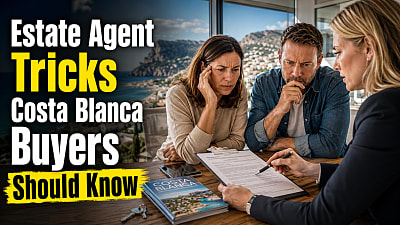
Most overseas buyers in Spain make one expensive mistake before they even view a property: they assume the estate agent is on their side.
A British couple bought a Costa del Sol villa for €300,000 after the estate agent called it good value for the area. Six months later, they discovered near-identical villas in the same development had sold for €260,000. The agent had no reason to volunteer that comparison; a higher sale price meant a higher commission. The mistake cost the buyers €40,000.
A Dutch investor bought in central Benalmadena without independent guidance. The apartment looked smart online and the viewing went well. After completion, he found the block had heavy tourist turnover, summer noise, and weak resale appeal for long-term buyers. He had bought the property, but not the right property for his plan.
Spain feels unfamiliar because the language, regional taxes, reservation contracts, legal checks, and local pricing patterns differ from northern Europe. The real problem is more basic: buyers often don't know who represents whom. Understand that first and you avoid overpaying, choosing the wrong area, missing running costs, and overlooking legal red flags.
What Estate Agents Do
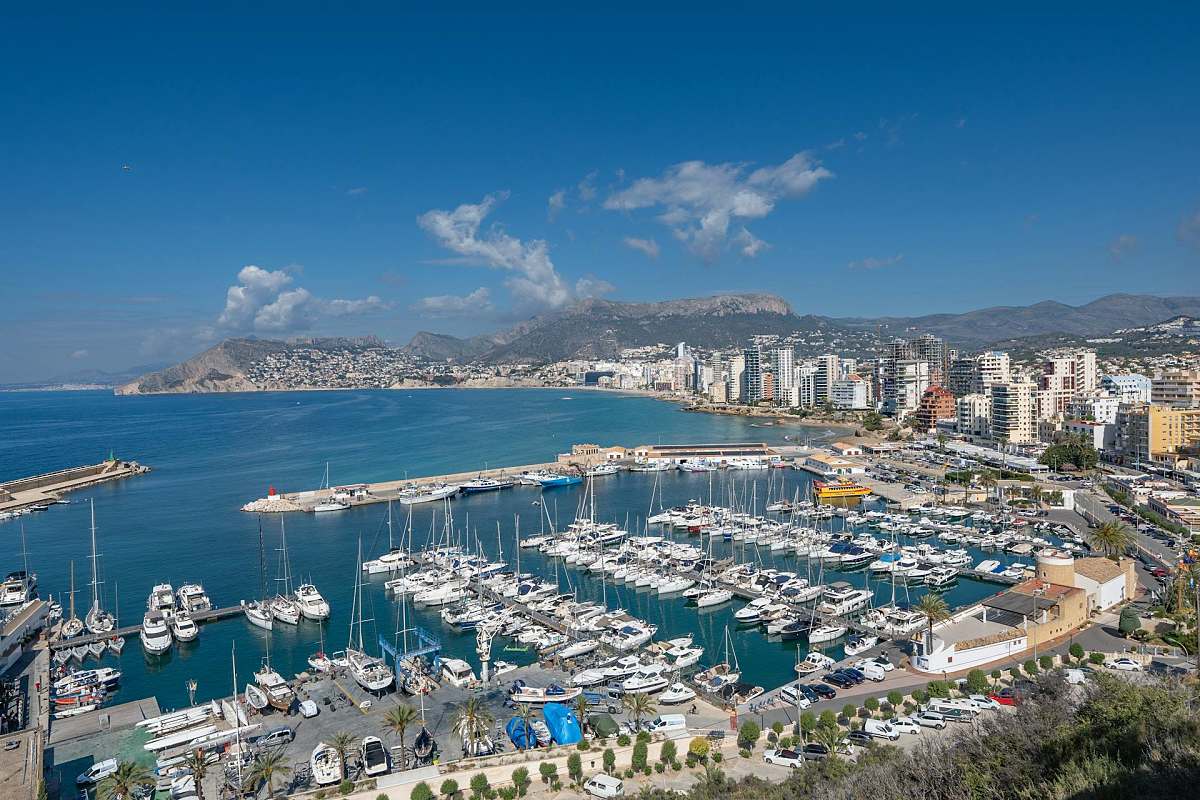
An estate agent markets property for sellers, developers, bank property departments, or owners. They list homes, promote them, arrange viewings, pass on offers, and keep the sale moving. Good agents know local sellers, available developments, price history, and neighbourhood details. They are useful.
But the critical point is payment. In a standard Spanish resale, the estate agent is paid by the seller when the sale completes. In a developer sale, the sales office is paid by the developer. The buyer may feel looked after, especially when the agent speaks English, collects them from the airport, or recommends a mortgage broker. That doesn't change the commercial loyalty.
This creates a built-in conflict. The agent's commission depends on the transaction completing, often at the strongest price the seller will accept. That doesn't make estate agents bad. It means buyers should treat them as property access, not independent representation.
Seller brief
The owner or developer asks the estate agent to find a buyer and move the property.
Commission trigger
Payment usually arrives only when the purchase completes.
Useful, not neutral
A good estate agent can help, but their first duty is not to protect your downside.
What Buying Agents Do
A buying agent works for the buyer. Their job starts before the search: goals, budget, lifestyle needs, rental plans, preferred locations, finance, timescale, and deal-breakers. They search across multiple sources, compare areas objectively, filter unsuitable options, and organise viewings around the buyer's brief rather than one agency's portfolio.
The most valuable buying-agent sentence is often: don't buy this one. That advice may relate to poor resale demand, tourist licence restrictions, noisy summer streets, high community fees, unrealistic rental yield, weak build quality, or a price that makes sense only to the seller.
A strong buying agent also introduces independent professionals: lawyer, mortgage broker, tax adviser, currency specialist, insurer, and property manager. They don't replace your lawyer; legal due diligence still needs an independent abogado. For that legal role, read our Spanish property legal guide.
| Question | Estate Agent | Buying Agent |
|---|---|---|
| Who they represent | Seller, developer, or owner | Buyer |
| Main objective | Sell the property | Help the buyer choose correctly |
| Property access | Own listings or agency network | Multiple sources, filtered to brief |
| Advice style | Property-focused | Buyer-focused |
| Negotiation role | Protect seller's position | Protect buyer's position |
| After offer | Often hands over to lawyers | Continues coordinating buyer-side checks |
Questions Before You Trust
Overseas buyers need extra protection because portals contain duplicate or outdated listings, similar-looking areas can behave very differently, and tourist licence rules vary by municipality. Prices, build quality, community debts, IBI tax, rental demand, and resale depth can change street by street.
Ask direct questions before you rely on any agent. Who pays your fee? Do you represent the seller, buyer, or both? Can you show sold-price evidence for comparable homes? Are there community fees, pending works, IBI arrears, or renovation issues? Is the property affected by building restrictions, title problems, or tourist licence limits? Which professionals are independent of the seller?
Hidden costs are where friendly guidance often goes quiet. A buyer may discover €200-€400 per month in community fees, IBI implications not explained before offer, and a €15,000 renovation that was obvious to a local eye. Legal red flags can be worse: unclear ownership history, title issues, development freezes, or building restrictions. Once you sign the wrong contract, fixing the problem is slower and more expensive than avoiding it.
Use estate agents for access. Use a buying agent, independent lawyer, and written evidence for protection. If you're still learning the process, start with our first-time buyer guide and check total purchase costs with the buying costs guide before you make an offer.
Confirm who pays
If the seller pays the agent, assume the agent's first loyalty is to the seller.
Demand comparable evidence
Ask for recent sold prices, not just asking prices from portals.
Separate access from advice
Let estate agents show properties, but use independent guidance before deciding.
Check costs and title early
Community fees, IBI, renovation, ownership history, and planning limits must be reviewed before arras.

Ask Rachel Before You Offer
Share the property, area, budget, and agent setup you are dealing with. Rachel can help you check whether the advice around you is genuinely buyer-side.
"If you are not sure who is actually representing you, pause before you offer. Tell me your budget, target area, and plan for the property, and I will help you check whether the options in front of you make sense."
- Rachel Yetton
Buying in Spain?
Get Buyer-Side Advice Before You Offer
Clarify who represents you, what the property is really worth, and which checks must happen before you sign.
Read the buying process guide