Cartagena & Murcia
Cartagena & Murcia: Costa Cálida's Historic Cities
Day trip guide to Cartagena and Murcia for Costa Cálida residents. Discover Roman ruins, cathedral squares, authentic dining, and Spanish culture inland.
Beyond the Tourist Trail
If you're based on Costa Cálida's coast, Cartagena and Murcia make excellent day trips. These working Spanish cities offer authentic culture and history just 30-45 minutes inland from coastal towns.
Cartagena showcases spectacular Roman ruins and maritime heritage. Murcia offers cathedral squares, university energy, and traditional Spanish city life. Both provide a refreshing change from beach days with proper restaurants, shopping, and cultural activities.
Cartagena: Where Romans Meet the Sea
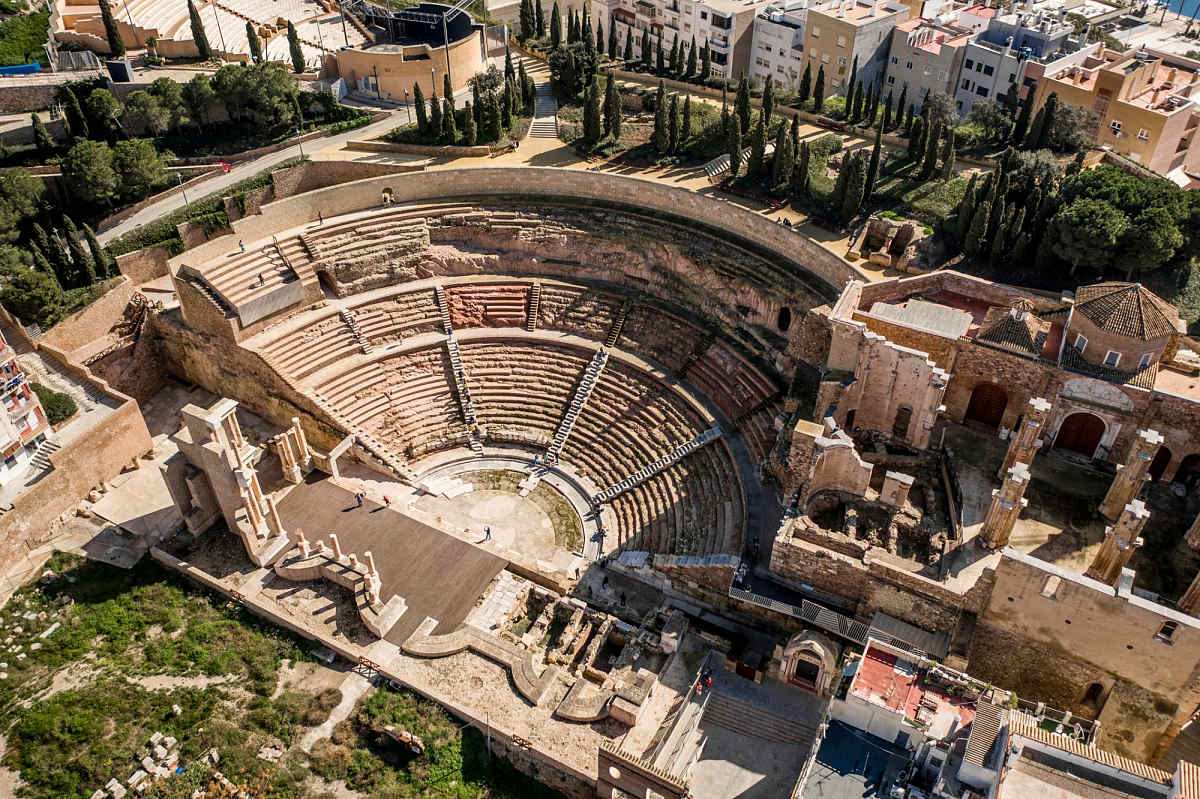
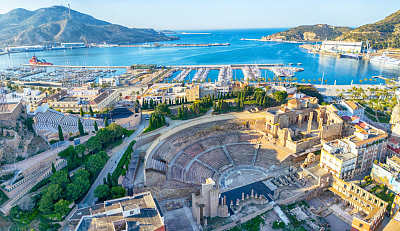
Cartagena has over 2,200 years of documented history. Founded by Carthaginians in 227 BC, it became a major Roman settlement called Carthago Nova. The Roman Theatre, uncovered in the 1980s, is well-preserved and central to the city's archaeological museum route.
Today Cartagena operates as Spain's third-largest port and main naval base. The harbor area contains 19th-century buildings, restaurants, and the active commercial port. The city maintains both its military function and civilian population of around 220,000 residents.
Archaeological Wonders
Roman Theatre, Casa de la Fortuna, and Augusteum showcase 2,000 years of continuous habitation
Maritime Culture
Active naval base and commercial port creating authentic harbor atmosphere
Modernist Architecture
Art Nouveau buildings and grand palaces line the historic city center
Murcia: Cathedral City & University Town
Living Spanish Culture
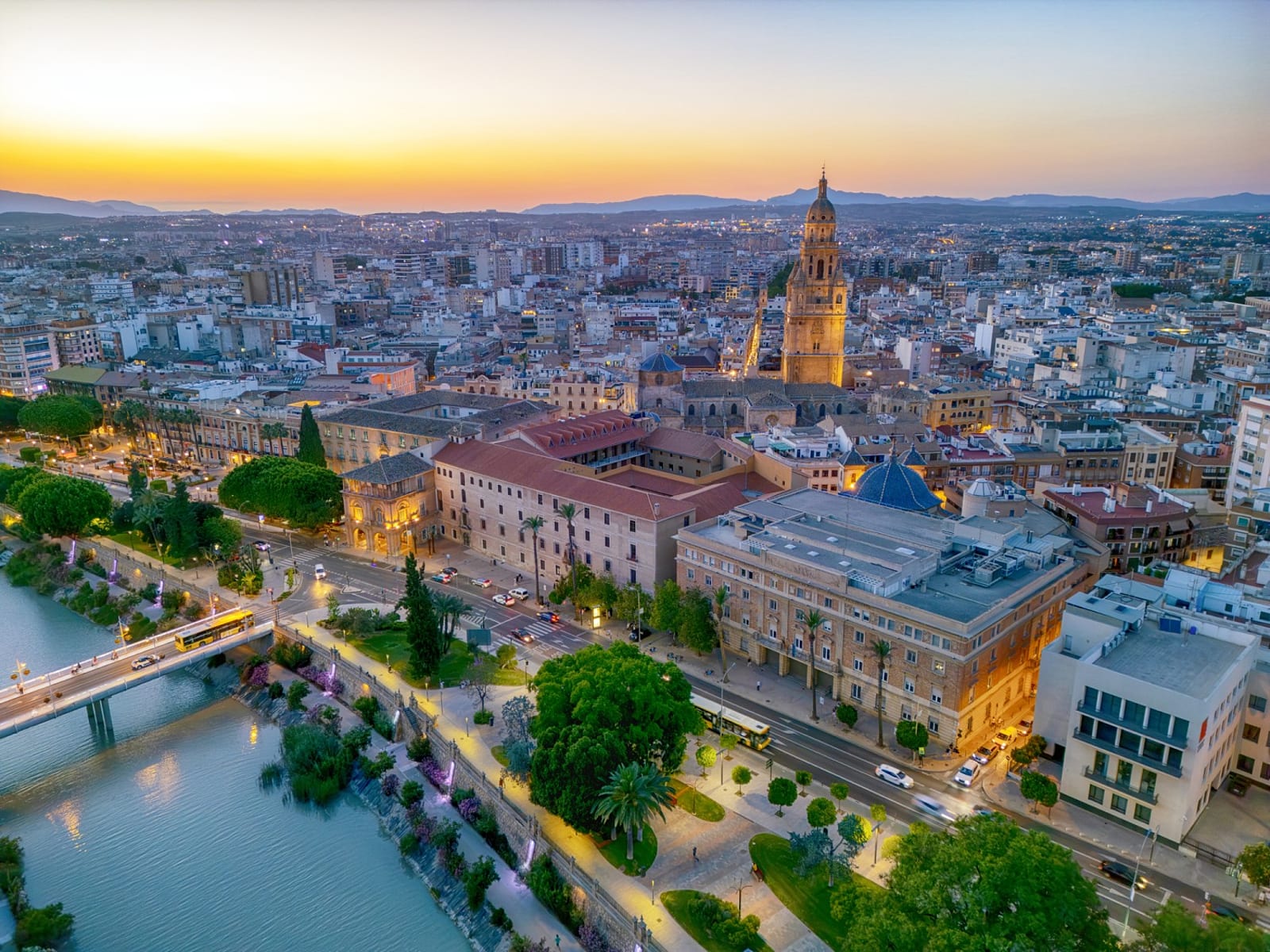
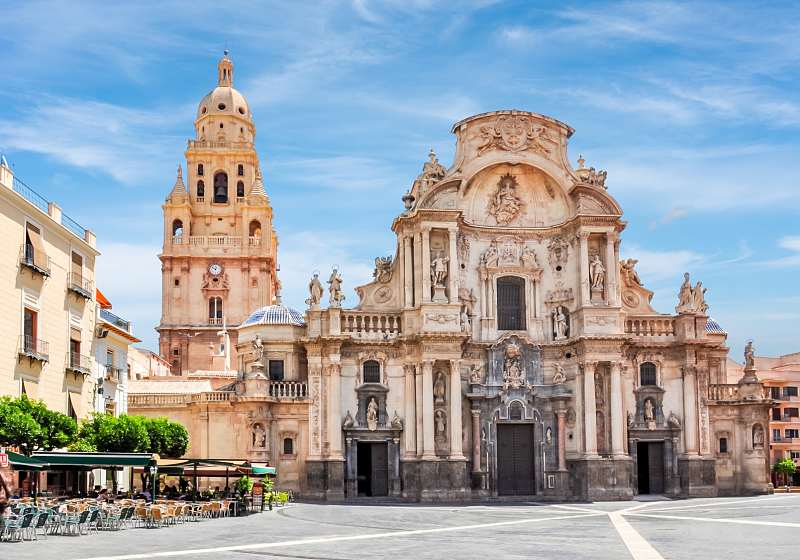
Murcia is the regional capital with 450,000 residents and a major university enrolling 45,000 students. The baroque cathedral dates from the 14th-18th centuries and anchors the historic center. University areas contain student housing, while older neighborhoods maintain traditional Spanish residential patterns.
Business hours follow standard Spanish schedules with afternoon closures. Restaurants serve dinner from 9-11 PM. The city has fewer English-speaking services compared to coastal tourist areas.
The city's identity stems from its role as both a regional capital and university hub. Over 45,000 students bring energy and innovation, while local families maintain traditions passed down through generations. Markets overflow with local produce, tapas bars serve recipes unchanged for decades, and festivals celebrate everything from Holy Week processions to harvest celebrations.
Cathedral Quarter
Explore the baroque cathedral, bishop's palace, and surrounding medieval streets filled with traditional shops and cafés
University District
Experience modern Spanish student life in the areas around the campus, with international restaurants and contemporary culture
Market Culture
Visit Verónicas Market for the finest local produce, or explore neighborhood markets where locals shop daily
Evening Tapas Circuit
Follow locals through traditional tapas routes that showcase Murcia's distinctive cuisine and social traditions
More Than Sun and Sand
Both cities operate on authentic Spanish rhythms. Local businesses follow traditional Spanish schedules with afternoon closures. Restaurants fill with Spanish families and students rather than tourists, offering better value and more genuine cuisine.
Markets overflow with fresh regional produce. Cafés serve proper Spanish coffee. Shops stock items for daily Spanish life rather than holiday souvenirs. You'll experience Spain as locals live it, making these cities perfect for understanding your adopted region beyond the beach.
Perfect For
Visiting Tips
Perfectly Positioned in Costa Cálida
Murcia has high-speed rail connections to Madrid (4 hours) and regional train service. Both cities connect to the AP-7 motorway system. Cartagena is 15-20 minutes from Costa Cálida beaches and the Mar Menor lagoon.
The cities are 48 kilometers apart with regular bus connections and a 45-minute drive via the A-30 motorway. Many people work in one city and live in the other, or visit both for different purposes.
Transport Links
High-speed rail to Madrid (4 hours), regional trains, and excellent motorway connections
Beach Access
15-30 minutes to Costa Cálida beaches, Mar Menor lagoon, and Mediterranean coves
Inland Adventures
Easy access to Sierra Espuña Natural Park and traditional mountain villages
Explore More Costa Cálida
Living on Costa Cálida's coast? Discover more cultural destinations, dining recommendations, and local experiences in your region.
More Costa Cálida GuidesTalk to a local broker
We live and work on Costa Blanca North — Jávea, Dénia and the towns around our office. We are a licensed estate agency, not only a guide: homes on our books, trusted partners for banking, legal, currency and other locations when you need them. Tell us where you are thinking of moving. No property shortlist required. We will help you find a sensible next step.
Talk to us