Slow Living in Spain
Living Slow in Spain | Embracing the Mediterranean Rhythm
Discover what slow living really means in Spain and how the Mediterranean rhythm can transform your daily life, health, and happiness.
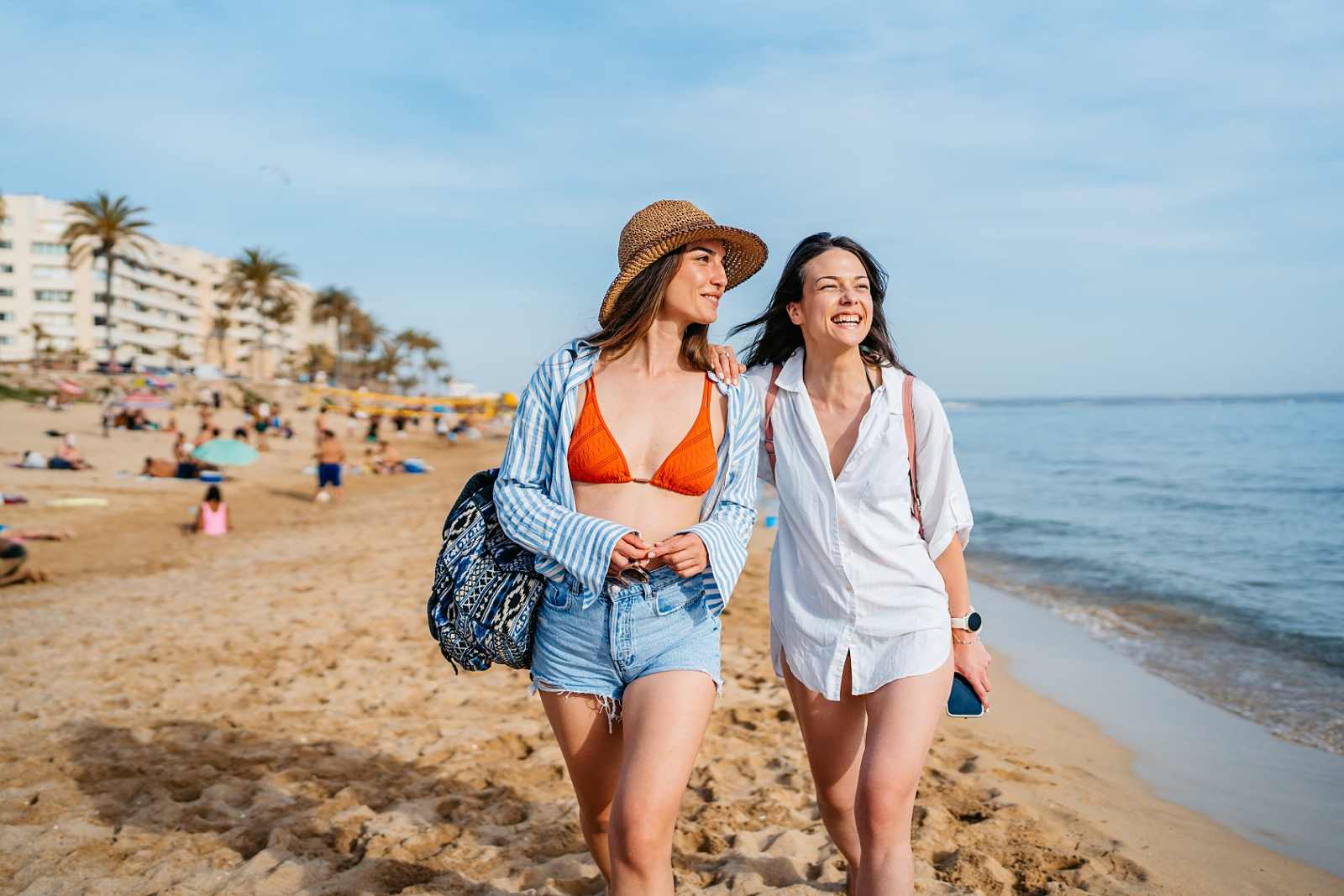
What Does Slow Living Mean in Spain?
Spain has become synonymous with a gentler approach to life. For centuries, the Mediterranean climate and culture have shaped a way of living that prioritises presence over productivity, connection over convenience. This is not laziness. It is intentional living.
Slow living in Spain emerges from practical roots. The midday heat made working through lunch hours impossible for generations. Long evenings invited families outdoors. Meals became social anchors rather than interruptions. These traditions evolved into something deeper: a collective understanding that life's richest moments happen when we stop rushing.
For newcomers from fast-paced cultures, this rhythm can feel disorienting at first. Shops close in the afternoon. Dinner starts at 10pm. Business happens over long coffees. Yet those who embrace these rhythms often discover unexpected benefits: better health, stronger relationships, and a sense of peace that felt impossible in their previous lives.
Understanding slow living is essential before relocating to Spain. It shapes everything from how you plan your day to how you build friendships.
The Natural Rhythms of a Spanish Day
A typical day in Spain follows patterns that might surprise northern Europeans. Mornings start later than you might expect. Breakfast is light, perhaps just coffee and toast. The real business of the day unfolds gradually, reaching its peak before the sacred lunch hour.
Morning Ease
Days begin gently with coffee and light activity. Markets and shops come alive by 10am.
The Afternoon Pause
Between 2pm and 5pm, life slows dramatically. This is time for lunch, rest, and family.
Evening Revival
Streets fill again after 6pm. The paseo, or evening stroll, brings communities together.
Late Nights
Dinner at 9pm or later is normal. Families enjoy plazas well past 10pm in summer.
The afternoon pause deserves special mention. While the traditional siesta is less common among working professionals today, the midday break remains sacred. Lunch is substantial and unhurried, often lasting two hours. Streets empty, shutters close, and a peaceful quiet settles over towns and villages.
This rhythm aligns with our natural biology. Research consistently shows that productivity and alertness dip in early afternoon. Rather than fighting this with caffeine and willpower, Spanish culture simply yields to it. The result is a more sustainable daily pattern that honours both work and rest.

Food, Connection, and Outdoor Living
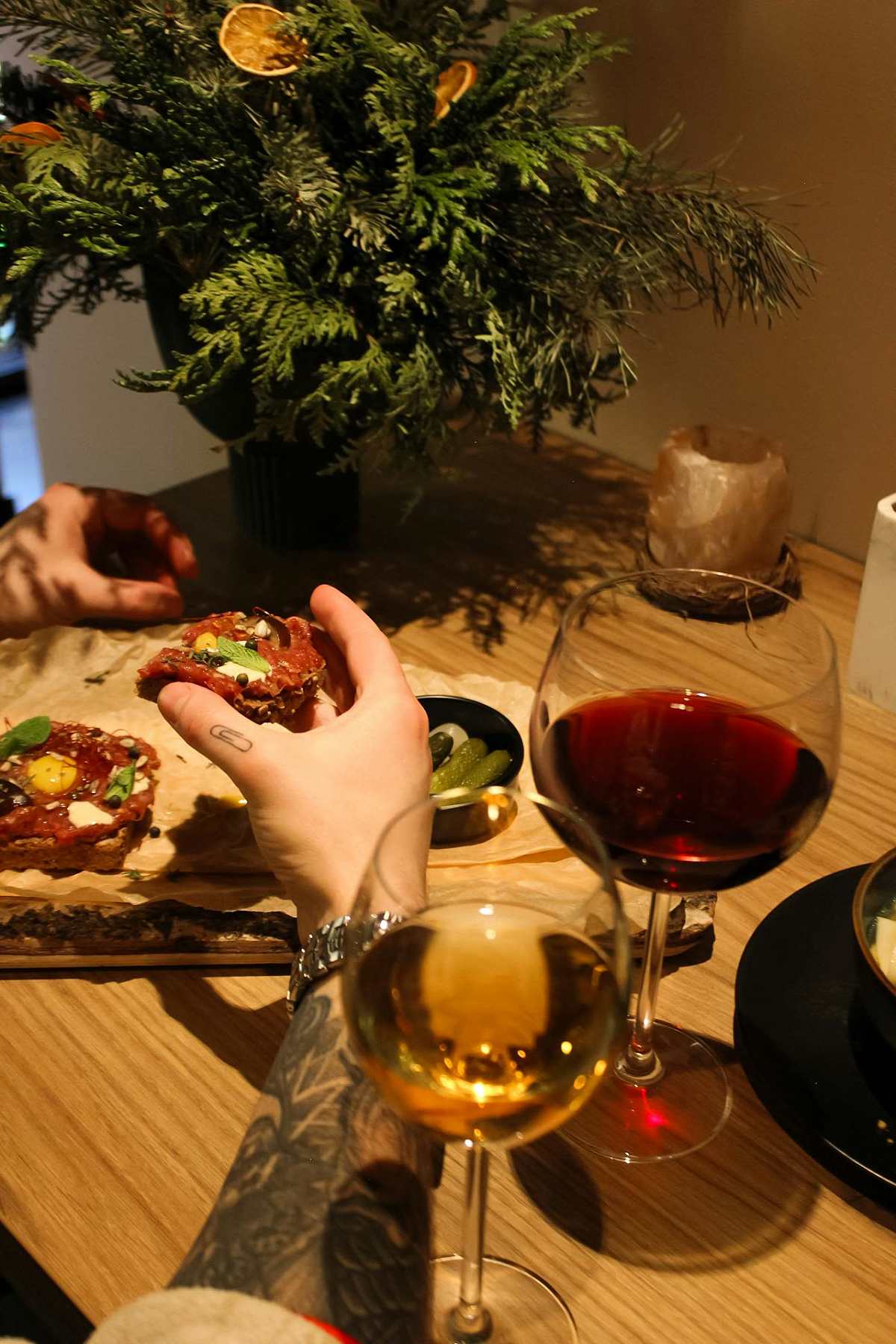
Food in Spain is never just fuel. Mealtimes are social rituals that anchor relationships and create community. The long lunch brings families together daily. Tapas with friends turns eating into hours of conversation. Even a simple coffee becomes an occasion for connection.

This approach to eating affects everything. Meals are savoured, not rushed. Restaurants expect you to linger. The concept of eating at your desk or grabbing something on the go feels almost alien in traditional Spanish communities. This mindful approach to food contributes to the renowned Mediterranean diet and its associated health benefits.
The emphasis on connection extends beyond mealtimes. Spanish life happens outdoors. The mild climate allows year-round socialising in plazas, terrace cafes, and promenades. Neighbours know each other. Multi-generational gatherings are common. Children play safely while adults talk. This outdoor culture creates a sense of community that many newcomers find profoundly healing after years of more isolated living.
The walking culture deserves mention too. Spanish towns are designed for pedestrians. The evening paseo, a gentle stroll through town, remains a cherished tradition. It costs nothing, requires no equipment, and provides both exercise and social connection. Many residents walk several kilometres daily without ever thinking of it as exercise.
Adapting to the Mediterranean Rhythm
Adjusting to slow living requires more than changing your schedule. It demands a mental shift. Newcomers often struggle with frustration when services close unexpectedly or things take longer than expected. The key is releasing the urgency that fast-paced cultures instil in us.
What Helps Adjustment
Common Frustrations
Certain people thrive especially well in Spain's slower rhythm. Retirees often find it ideal, with plenty of time for the long lunches and social gatherings that define local life. Families appreciate the outdoor culture and the way communities look out for children. Remote workers discover that the balance between work and leisure feels more natural here.
The modern world brings some tensions to this traditional rhythm. International business demands can clash with siesta hours. Some younger Spaniards work continuous schedules. Yet even in cities, the underlying values persist. The priority remains life itself, with work as a means to support it rather than the reverse.
For those considering buying property in Spain, understanding this lifestyle is as important as understanding the real estate market. The most successful expatriates are those who come seeking not just sunshine, but a fundamentally different approach to daily life.
Observe Before Judging
Spend time watching how locals structure their days before deciding something is inefficient.
Release the Urgency
Most things that feel urgent are not. Practice asking yourself what truly needs to happen immediately.
Prioritise Presence
Put away devices during meals and conversations. Being fully present is the core of slow living.
Build Real Connections
Invest time in local friendships. The social fabric of Spain rewards those who participate in community life.
Experience Life Beyond the Rush
Slow living in Spain is not about doing less. It is about being more present for what you do. The Mediterranean rhythm offers a proven alternative to the exhausting pace that dominates much of modern life. Those who embrace it often wonder how they ever lived differently.
Whether you are dreaming of retirement, seeking better work-life balance, or simply curious about another way of living, Spain invites you to slow down. The sunshine, the food, the warmth of community, all of it awaits. But the greatest gift may be something simpler: the permission to stop rushing and start living.
Start Your Journey
Ready to Embrace a Slower Pace?
Explore properties in Spain and discover communities where life moves at a gentler rhythm. Our team can help you find the perfect place to call home.
Browse PropertiesTalk to a local broker
We live and work on Costa Blanca North — Jávea, Dénia and the towns around our office. We are a licensed estate agency, not only a guide: homes on our books, trusted partners for banking, legal, currency and other locations when you need them. Tell us where you are thinking of moving. No property shortlist required. We will help you find a sensible next step.
Talk to us