Roof Terrace Guide
Roof Terrace Reality Check for First-Time Buyers
Most buyers romanticize roof terraces in Spain. Here's what they actually cost, how much you'll use one, and how to avoid costly mistakes.

You spot the listing photos: terracotta tiles, potted herbs, sunset views over the Mediterranean. A roof terrace in Spain looks like the ultimate lifestyle upgrade. But most first-time buyers don't realize what actually comes with one.
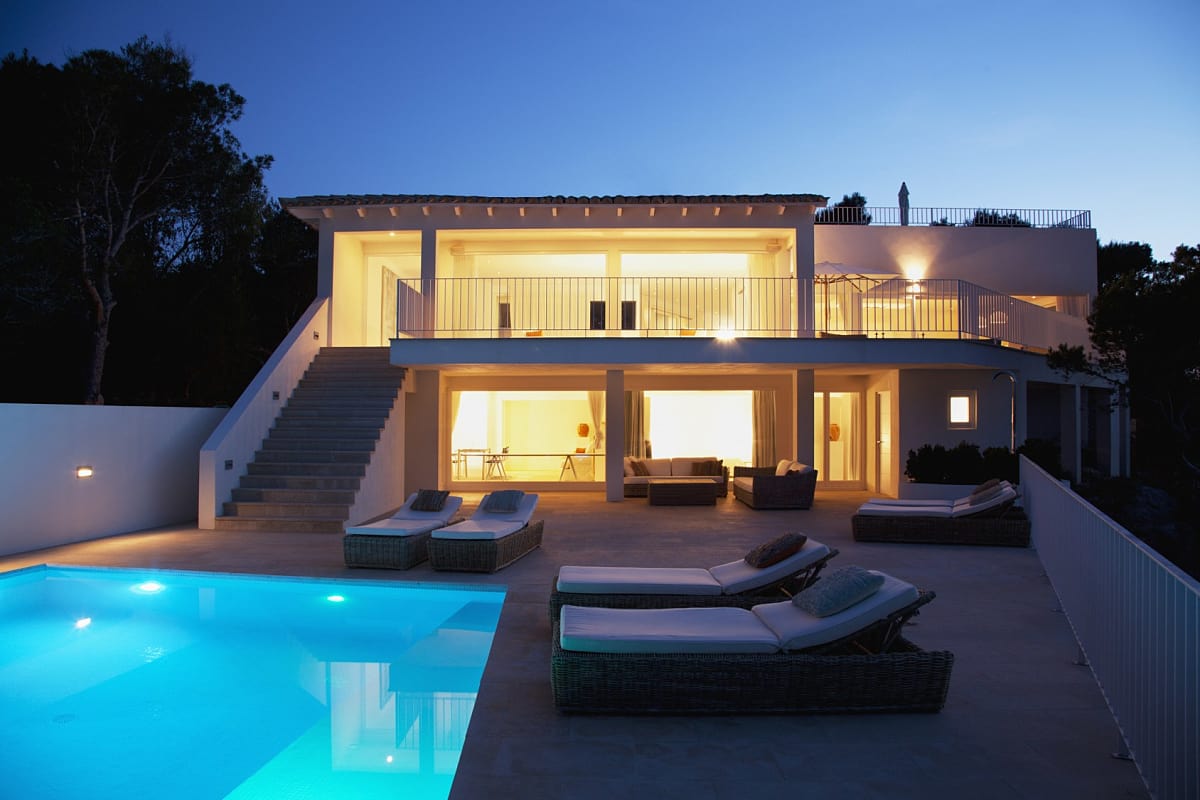
Real estate agents highlight roof terraces as a selling point, and they're right—they do add value. But the gap between the brochure version and daily reality catches buyers off guard. The sun that makes Spain appealing also creates challenges that ground-floor patios never face.
Before you pay a premium for rooftop access, here's what experienced owners wish they'd known from the start.
What Buyers Don't Expect
What You Imagine
What Actually Happens
Heat is the biggest surprise. From June through September, an exposed roof terrace absorbs sun all day. By early afternoon, tile surfaces can reach 60°C. Furniture frames become too hot to touch. Most owners retreat indoors and don't return until after 8pm—if at all.
Ironically, winter is when your terrace shines. From October to April, the mild Spanish sun makes rooftop time genuinely pleasant. You'll drink your morning coffee up there in February wearing a light jacket while friends back home scrape ice off their cars. This is the real value of a roof terrace—and it's the opposite of what most buyers expect.
Maintenance never stops. Rain leaves mineral stains that need immediate cleaning to prevent permanent marks. Dust and pollen accumulate constantly. Furniture cushions need storing or covering after every use. That cheap rattan set from the local shop? It will look weathered within a single season. UV exposure at roof level is significantly more intense than on a sheltered ground-floor patio.
Dining outdoors sounds romantic, but most terrace owners report eating up there far less than they anticipated. The wind, the effort of carrying food upstairs, and the heat all conspire against it. Many end up using the terrace primarily for morning coffee and evening drinks—not the full outdoor kitchen experience they envisioned.
How to Make It Work

Choose Durable Materials
Invest in aluminum, teak, or composite furniture. Avoid cheap rattan and plastic. Quality pieces last 8-10 years instead of 1-2.
Artificial Grass Over Tiles
Artificial turf stays cool underfoot, drains well, and looks green year-round. Tiles become dangerously hot and uncomfortable in summer.
UV-Resistant Fabrics
Choose outdoor cushions rated for UV exposure. Standard fabrics fade and crack within one summer season at roof level.
Consistent Maintenance Routine
Weekly sweep and hose-down. Seasonal deep clean in spring and autumn. Cover or store cushions when not in use.
The difference between a terrace you love and one you resent comes down to the initial setup. Buyers who invest in quality materials upfront spend less over five years than those who replace cheap furniture every season.
For grills and outdoor cooking equipment, choose stainless steel or ceramic models designed for coastal conditions. Salt air accelerates corrosion, and a bargain grill will show it within months. Protective covers are essential—not optional—for any equipment that stays on the terrace.
If you're buying your first property in Spain, factor terrace setup costs into your overall budget. A well-equipped roof terrace adds €2,000–5,000 to your initial spending, but it's the difference between an asset you enjoy and one that feels like a chore.
Is a Roof Terrace Worth It?
Here's something experienced owners know: a roof terrace makes your apartment's orientation matter less. If your unit faces north or east, you can always climb to the roof for direct sun. This is particularly valuable in winter, when catching a few hours of sunlight genuinely improves your mood and health. In a building without roof access, a north-facing apartment means no winter sun at all.
For investors buying rental property, terraces increase both appeal and maintenance costs. Factor in higher cleaning fees, furniture replacement, and occasional repair work when calculating your total ownership costs. The rental premium is real, but so are the ongoing expenses.
A roof terrace is worth it if you go in with realistic expectations. It won't be the sun-soaked dining room from your imagination. It will be a maintenance commitment. But on a crisp January morning when you're sitting in warm sunshine above the rooftops, coffee in hand, you'll understand exactly why people pay the premium.
Ready to Buy?
Find Your Perfect Spanish Property
Whether it comes with a terrace or not, we'll help you find the right property for your lifestyle and budget.
Browse PropertiesTalk to a local broker
We live and work on Costa Blanca North — Jávea, Dénia and the towns around our office. We are a licensed estate agency, not only a guide: homes on our books, trusted partners for banking, legal, currency and other locations when you need them. Tell us where you are thinking of moving. No property shortlist required. We will help you find a sensible next step.
Talk to us