Crash or Wait?
Spain Property Market Crash 2026: Will Prices Fall?
Will Spanish property prices crash in 2026? See the latest market data, risks, forecasts and what buyers should know before waiting.

The Price of Waiting for a Crash
If you are ready to buy, waiting for a Spanish property crash in 2026 could cost you €20,000-€50,000 in lost opportunity — even if prices do soften in some pockets. The better question is not whether the market will crash, but what waiting will cost you on the property you actually want.
Headlines about a Spain property market crash in 2026 sell clicks. The underlying data points the other way. Eurostat put EU residential prices up 5.1% year-on-year to Q1 2026; Spain outpaced the bloc average. BBVA Research forecasts Spanish prices to rise another 10.2% in 2026 and 6.8% in 2027. CaixaBank's housing analysis keeps flagging the same constraint: new supply is not keeping up with demand, especially on the coast.
Foreign buyers accounted for 18.4% of Spanish property transactions in 2025. That is not a bubble signal on its own — it reflects sustained international demand for lifestyle, retirement and rental stock. A national crash would need mass forced selling, credit contraction and oversupply. None of those conditions are visible at scale in mid-2026.
That does not mean every listing is fairly priced. It means the crash fantasy is the wrong lens. Run the numbers on your target town, your financing and your timeline instead.
Three Markets, Three Timelines
Spanish property prices in 2026 are selective, not uniform. Coastal hotspots with tight supply are still rising. Inland towns and tired resale stock offer more room to negotiate. The regions below show why timing depends on location more than national headlines.
| Region | Typical asking range | 24-month growth | Who is still buying | Realistic negotiation room |
|---|---|---|---|---|
| Costa Blanca North | €2,400-€4,500/m² (town-dependent) | +11% to +14% | Pre-retirees, remote workers, rental investors | 3-5% on prime coastal resales; near list on sea-view villas |
| Costa Blanca South | €1,300-€2,000/m² | +9% to +12% | Budget buyers, holiday-rental investors | 5-8% on older apartments; less on walkable beach stock |
| Costa del Sol (Málaga) | €3,800-€5,600/m² (Marbella premium) | +6% to +9% | Nordic, British, Middle Eastern lifestyle buyers | 4-7% on inland resales; tight on beachfront and new build |
| Madrid | €3,200-€5,500/m² (zone-dependent) | +4% to +6% | Domestic professionals, corporate relocations | 5-10% on overpriced resales; limited on well-located flats |
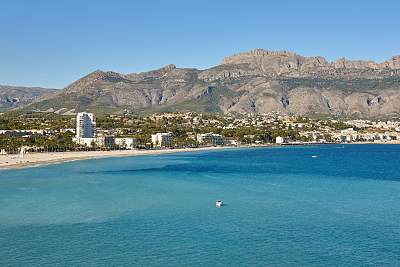
Costa Blanca: The north-south split matters. Jávea, Moraira and Altea kept climbing through 2025 on scarce sea-view stock — registered Alicante averages hit €2,074/m² while asking prices reached €2,707/m² by early 2026. South zones around Torrevieja and Orihuela Costa still offer lower entry points but list longer on overbuilt apartment blocks. Wait 12 months in the north on a walkable coastal property and you are more likely to pay €20,000-€35,000 more than to secure a meaningful discount.
Costa del Sol: Foreign demand concentrates in Marbella, Estepona and the Málaga city fringe. Marbella averaged around €5,572/m² in March 2026; Estepona around €4,242/m². New-build beachfront projects hold list prices. Older inland resales in Mijas or inland Estepona give more negotiation room. A €300,000 apartment rising 6% annually costs €18,000 to wait on — more than most resale discounts materialise in 12 months.
Madrid: This is a domestic employment market, not a holiday-home play. Affordability is stretched in central districts, but growth is slower than on the coast. Buyers who need city access can sometimes find value in peripheral districts or properties needing renovation. Negotiation potential is higher than in Jávea, but you are not buying the same product.

Where Waiting Can Make Sense
Honest analysis means admitting that not every segment is rising at BBVA's national rate. Some pockets are cooling enough that patience has a rational case — usually where supply finally caught up or buyer demand thinned out.
Inland and secondary towns: Pego, Orba, Alcalalí on the Costa Blanca and inland Málaga villages show softer growth (often 2-4% annually). Older apartments in Torrevieja towers with high community fees sit longer. These are the segments where a 12-month wait might save money rather than cost it.
Tired resale stock: Properties needing renovation, poor energy ratings or legal complications (undeclared extensions, community debt) often see 10-15% gaps between asking and sold price. Sellers who have carried a listing for 9+ months are more open to offers. New builds from major developers rarely discount — the negotiation happens on resale.
Asking vs sold price: Portal asking prices on the Costa Blanca and Costa del Sol typically run 5-12% above registered sale values in slower segments. That gap is your negotiation room — not a crash, but real savings if you target the right stock and verify comparables through your lawyer.
Softer Growth Zones
Inland Costa Blanca villages and secondary Costa del Sol towns where 24-month growth sits below 4%
Overbuilt Apartments
Large 1980s-2000s blocks in Torrevieja, Benidorm periphery and inland urbanisations with high fees
Renovation Projects
Resales needing structural work, where price reflects condition and sellers accept longer timelines
Stale Listings
Properties on market 9+ months where motivated sellers may accept 8-12% below original ask
Buy Now or Wait in 2026
Buy Now If
Wait If
New-build projects from established developers are unlikely to crash in 2026 — construction costs and land prices set a floor. Resale offers more negotiation, especially where the seller is motivated or the property needs work. Compare your target area's growth rate to your buying timeline: if annual appreciation exceeds the discount you might negotiate by waiting, buying now wins on maths alone.
Before you commit, run the standard checks. Engage a lawyer before signing anything, verify the legal status of the property, budget the full 10-12% on top of purchase price through our costs and taxes guide, and walk through the buying process so you know what happens at each stage. Spotting overpriced stock means comparing €/m² against recent sales in the same urbanisation, not against national averages.
The Spanish housing market in 2026 is not crashing — it is sorting. Prime coastal stock keeps rising on tight supply and sustained foreign demand. Inland and tired resale segments offer real negotiation room. Your job is to match your timeline to your target area's growth rate, not to wait for a national correction that the data does not support.
Prepared buyers with clear criteria, verified legal checks and realistic price benchmarks do well in this market. Buyers waiting for a windfall discount on a sea-view villa in Jávea or a walkable apartment in Marbella are more likely to pay more next year than to pick up a bargain. Compare regional growth to your budget, then move when the numbers and the property both work.
Ready to Buy?
Compare Areas Before You Wait
Browse current listings across Costa Blanca, Costa del Sol and beyond — then run your target price against regional growth before deciding to wait.
View PropertiesTalk to a local broker
We live and work on Costa Blanca North — Jávea, Dénia and the towns around our office. We are a licensed estate agency, not only a guide: homes on our books, trusted partners for banking, legal, currency and other locations when you need them. Tell us where you are thinking of moving. No property shortlist required. We will help you find a sensible next step.
Talk to us