Spanish Mealtimes
Spanish Mealtimes | When Do Spaniards Actually Eat?
Discover when Spaniards eat breakfast, lunch, and dinner. A complete guide to Spanish eating schedules for visitors, expats, and new residents.

Why Spanish Mealtimes Feel So Late
If you've ever visited Spain and found yourself hungry at 7pm with every restaurant firmly closed, you're not alone. Spanish mealtimes are among the latest in Europe, and the shift can catch newcomers completely off guard.
The reasons are both historical and practical. Spain operates in the wrong time zone, geographically aligned with the UK and Portugal but using Central European Time. This means the sun rises and sets later by the clock than it should. Add to this the Mediterranean climate, where summer temperatures can exceed 40°C in the afternoon, and you begin to understand why Spanish life shifted later in the day.
Understanding Spanish mealtimes isn't just about knowing when to eat. It shapes your entire experience of daily life, from when shops are open to how you plan your evenings. Those who embrace the local rhythm find it surprisingly enjoyable, while those who fight it often end up frustrated and hungry.
The Five Spanish Meals Explained
Spain doesn't follow the three-meal pattern common in other countries. Instead, Spaniards typically eat five times throughout the day, with smaller portions spread across more occasions. Here's what to expect.
Desayuno (Breakfast) | 7-9am
Spanish breakfast is light, quick, and often sweet. At home, it might be little more than a coffee with biscuits or toast with olive oil and tomato. Many Spaniards skip breakfast entirely at home, instead stopping at a café bar on the way to work for a café con leche and a small pastry or toast.
Don't expect a full English or a hearty American breakfast. Spanish mornings start small, leaving room for what comes next.
Almuerzo (Mid-Morning Snack) | 10:30am-12pm
This is the meal tourists often miss but workers rely on. Almuerzo bridges the gap between early breakfast and late lunch. It might be a bocadillo (crusty bread sandwich), a slice of tortilla española, or tapas with colleagues. Construction workers and tradespeople often have substantial almuerzos, while office workers might grab something smaller.
Comida (Lunch) | 2-4pm
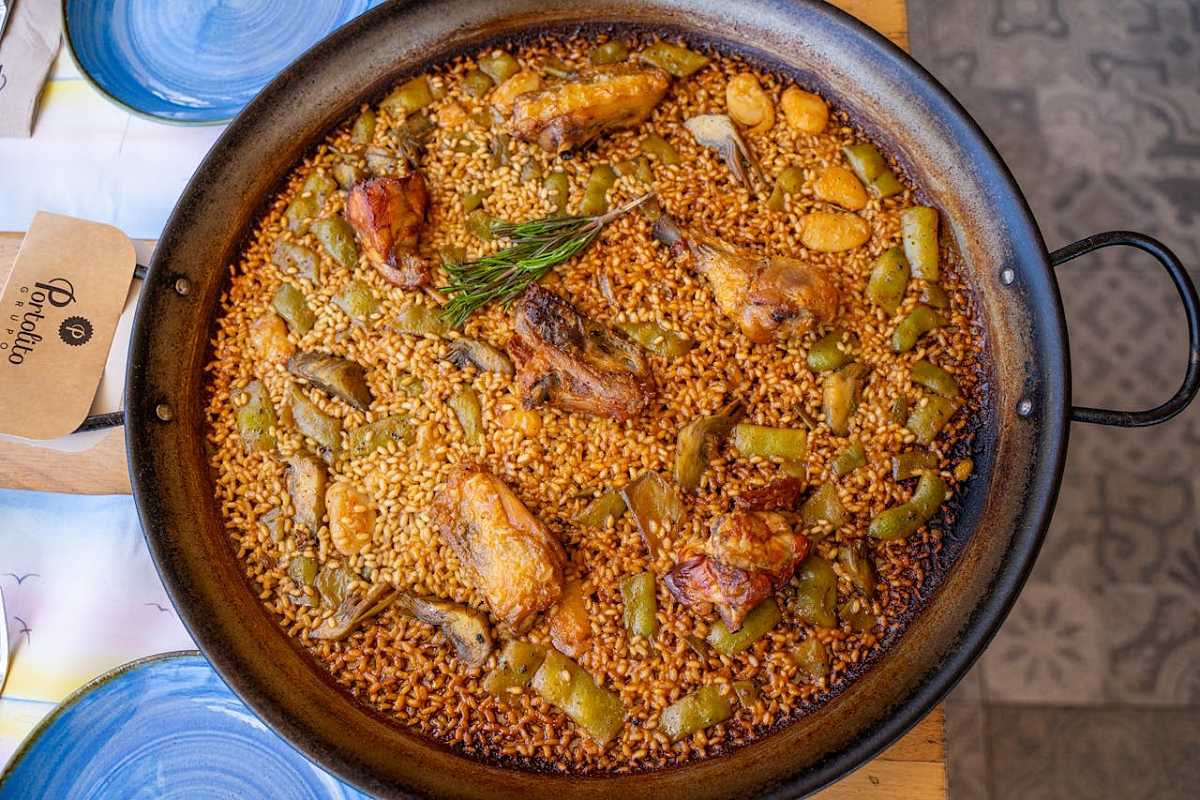
Lunch is the main event in Spain. This isn't a sandwich at your desk, it's a proper sit-down meal, traditionally the largest of the day. A typical Spanish lunch includes three courses: a starter such as soup or salad, a main dish of meat or fish with accompaniments, and dessert or coffee.
Menú del Día
Most restaurants offer a fixed-price lunch menu (€10-15) with starter, main, dessert, drink, and bread. Outstanding value.
Family Lunch
Many Spaniards still go home for lunch. The siesta break allows time for cooking and eating with family.
Working Lunch
Professionals without time to go home eat the menú del día at nearby restaurants with colleagues.
Late Opening
Restaurant kitchens typically open at 1:30pm. Arriving at noon means waiting for food service to begin.
Merienda (Afternoon Snack) | 5-7pm
As the siesta ends and the day resumes, merienda provides a boost before the long wait until dinner. For children, this might be chocolate with churros, a sandwich, or fruit. Adults often have coffee and something sweet. It's lighter than almuerzo and serves more as a tide-over than a proper meal.
Cena (Dinner) | 9-11pm
Spanish dinner is later than anywhere else in Western Europe. While 9pm might feel like bedtime in other countries, in Spain it's when people are just sitting down to eat. Dinner is typically lighter than lunch, often consisting of tapas, a salad, an omelette, or leftovers from the day's cooking.
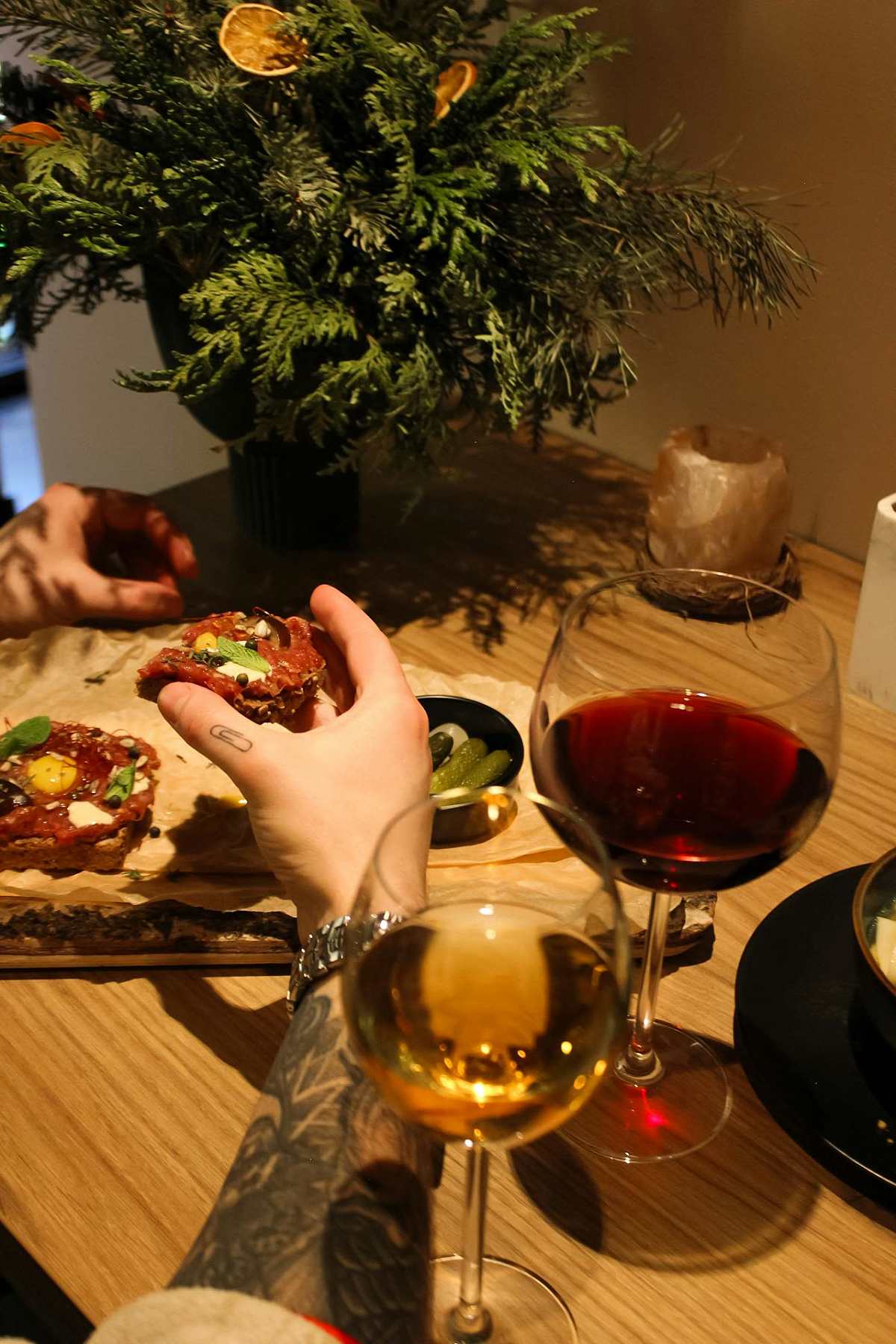
This late dinner schedule explains why Spanish nightlife is famous. When dinner ends at 11pm, there's plenty of evening left for socialising, and you'll see families with young children in plazas and parks well past 10pm in summer.
Restaurant Hours and Practical Tips
The most common frustration for visitors is finding restaurants closed when they're ready to eat. Understanding typical kitchen hours will save you from circling empty streets in search of food.
When Kitchens Open
Common Mistakes

The good news is that cafés and bars often remain open when restaurants close their kitchens. You can usually find a bocadillo, some tapas, or a slice of tortilla even outside regular meal times. Supermarkets also provide backup for those caught between meals.
Plan Around Local Hours
Eat breakfast before 10am, lunch between 2-3pm, and dinner after 9pm. You'll find better service and fuller menus.
Embrace the Almuerzo
A mid-morning snack helps bridge the gap to late lunch. Find a café bar around 11am for a bocadillo or pintxo.
Book Dinner Reservations
Popular restaurants fill up on weekends. Book ahead for Friday and Saturday nights, especially in summer.
Adjust Gradually
Don't try to shift your entire schedule on day one. Move mealtimes back gradually over several days.
City vs Village Differences
Major cities offer more flexibility. Barcelona and Madrid have restaurants catering to international visitors with extended hours. Coastal tourist areas often adjust to foreign eating patterns, particularly in summer. But venture to smaller towns and villages, and you'll find the traditional schedule firmly in place.
For those considering life in Spain, understanding these patterns helps you appreciate the culture rather than resist it. The Spanish mealtime schedule prioritises family gatherings, leisurely eating, and social connection. Once you adapt, rushing through a 30-minute lunch break feels distinctly uncivilised.
Why Spanish Mealtimes Make Sense
After a few weeks living on Spanish time, many expats report that they can't imagine returning to their former eating schedule. The five-meal structure means you're never too hungry or too full. The late dinner allows for long, social evenings. And the midday break provides genuine rest during the hottest hours.
Common myths persist about Spanish eating habits. No, Spaniards don't eat continuously all day. No, dinner isn't always at midnight, it's usually finished by 11pm. And the schedule, while unusual by northern European standards, has its own logical rhythm once understood.
Whether you're visiting for a holiday or planning to buy property in Spain, embracing local mealtimes transforms your experience. You'll eat better food at properly staffed restaurants, join the social flow of Spanish life, and perhaps discover that eating dinner at 9pm with a glass of wine isn't something to endure but to savour.
Experience Spanish Life
Ready to Embrace the Spanish Way of Life?
Find your perfect property and discover the joys of living on Spanish time.
Browse Properties