Spanish Etiquette
Spanish Social Etiquette: Do's & Don'ts for Visitors
Master Spanish etiquette with our essential guide. Learn the do's and don'ts of greetings, dining, and social behaviour to travel confidently in Spain.
Why Etiquette Matters in Spain
Spain welcomes millions of visitors each year, from tourists on holiday to digital nomads settling in for longer stays. While Spaniards are generally warm and forgiving of cultural missteps, understanding local etiquette makes a real difference. Small gestures of respect open doors, build genuine connections, and transform a good trip into a memorable experience.
Cultural differences can catch visitors off guard. The rhythm of Spanish life differs from northern Europe and North America—meal times are later, greetings are warmer, and personal space means something different. What feels normal at home might seem rude in Spain, and vice versa. A little awareness goes a long way.
Build Connections
Proper etiquette shows respect and helps you form genuine relationships with locals
Avoid Awkwardness
Understanding customs prevents embarrassing social situations
Better Experiences
Respectful visitors often receive warmer service and hospitality
Cultural Insight
Learning etiquette deepens your appreciation of Spanish culture
The good news? Spanish etiquette is straightforward once you know the basics. This guide covers the essential do's and don'ts that every visitor should know, from first greetings to paying the restaurant bill.
Greetings and Conversation
Spanish greetings are warmer than what many visitors expect. In social settings, women typically greet everyone with dos besos—a light touch of cheeks, right side first, then left. Men shake hands with other men but often use the two-kiss greeting with women. When in doubt, let the other person lead and follow their cue.
For formal situations like meeting professionals, a firm handshake works best. However, relationships in Spain warm quickly, and someone you met formally might greet you with kisses next time. This transition is natural and shows the relationship is progressing.

Conversation in Spain is lively and expressive. Spaniards speak with their hands, interrupt each other affectionately, and stand closer than northern Europeans might expect. This isn't rudeness—it's engagement. Embrace the energy rather than retreating.
Always greet shopkeepers and restaurant staff with hola or buenos días/tardes when entering and adiós or hasta luego when leaving. This simple courtesy is expected everywhere, from small bakeries to supermarkets. Skipping the greeting feels rude to Spaniards.
Do
Don't
Dining and Restaurant Behaviour
Spanish mealtimes run later than many visitors expect. Lunch typically starts between 2pm and 3pm, while dinner rarely begins before 9pm. Arriving at a restaurant at 7pm for dinner often means dining alone or finding it closed. Adjust your schedule and enjoy the Spanish rhythm.
At restaurants, service may seem slow by international standards. This isn't poor service—it's the Spanish approach to dining. Meals are meant to be savoured, conversations enjoyed. Waiters won't rush you or bring the bill until you ask. When ready to pay, catch the server's eye and say la cuenta, por favor.

Tipping in Spain is appreciated but not obligatory. Service is included in prices, so tipping is modest compared to North America. Rounding up or leaving a euro or two is sufficient at casual restaurants. For exceptional service at upmarket establishments, 5-10% is generous.
Table manners are relaxed but respectful. Keep your hands visible on the table, not in your lap. Bread is placed directly on the tablecloth, not on a plate. Sharing dishes like tapas is common—don't hoard food. If invited to someone's home, bring a small gift like wine, chocolates, or pastries, and arrive 10-15 minutes late rather than early.
Adapt to Spanish Timing
Plan lunch for 2pm onwards and dinner after 9pm to find restaurants busy and menus fully available.
Don't Rush the Meal
Spanish dining is leisurely. Relax into it rather than expecting quick service and a speedy exit.
Ask for the Bill
Waiters won't bring it automatically. Signal when ready with 'la cuenta' to request your bill.
Tip Modestly
Round up or leave small change at casual places. 5-10% is generous for excellent service elsewhere.
Public Behaviour and Practical Etiquette
Spaniards are generally relaxed about noise and public behaviour, but there are limits. Speaking loudly in English on public transport or in quiet neighbourhoods stands out negatively. Be mindful of volume, especially late at night in residential areas.
Queue culture in Spain is less rigid than in the UK or Germany. At busy markets or counters, a polite ¿quién es el último? (who's last?) helps you find your place. People may stand closer than you expect—this isn't queue-jumping, just different personal space norms.
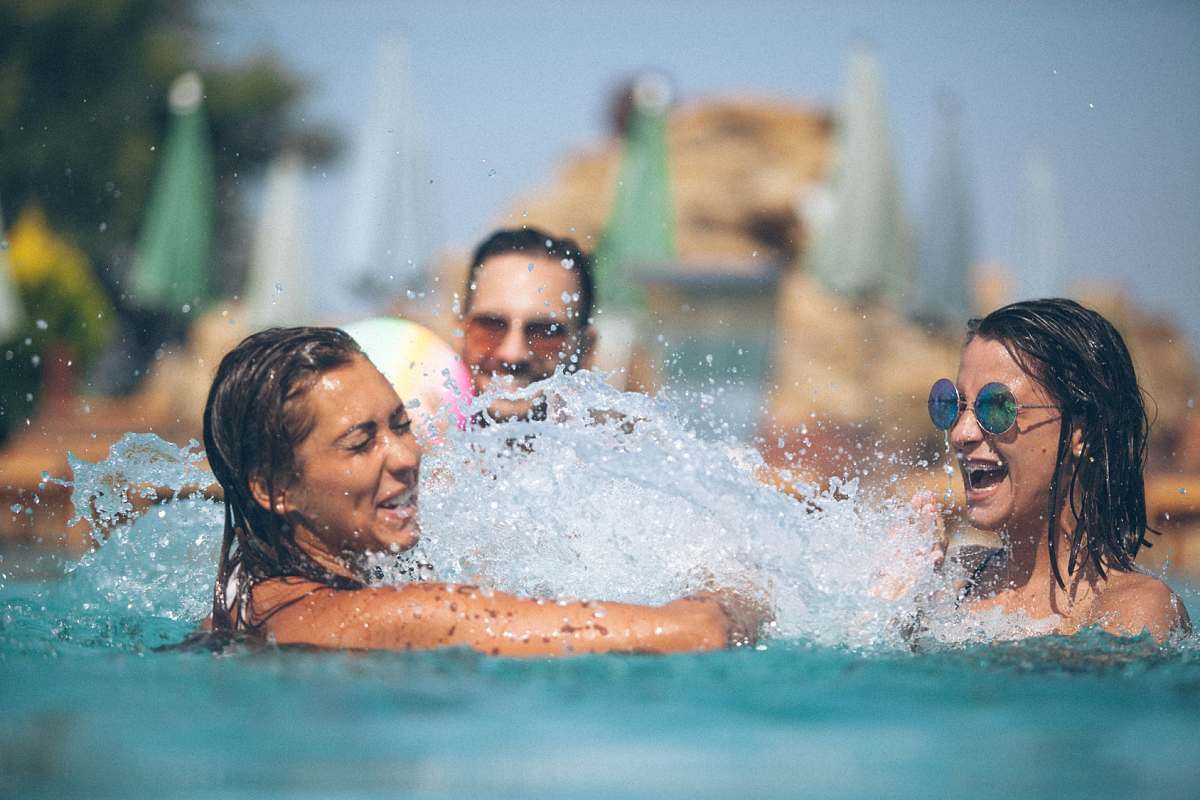
Dress appropriately for context. Beachwear belongs at the beach, not in shops or restaurants. Many Spanish towns have ordinances against walking shirtless or in swimwear away from the waterfront. When visiting churches, cover shoulders and knees as a sign of respect, even if you're just sightseeing.
Punctuality differs between social and professional contexts. For business meetings, arrive on time. For social gatherings, arriving 15-30 minutes late is normal and even expected. Showing up exactly on time to a party might catch your hosts still preparing.
Time & Punctuality
Be punctual for business, relaxed for social events. 'Spanish time' is real for casual gatherings.
Dress Code
Casual is fine, but keep beachwear at the beach. Cover up for churches and formal venues.
Shop Etiquette
Greet staff when entering, don't handle products excessively, and say goodbye when leaving.
Religious Sites
Dress modestly, speak quietly, and ask before photographing ceremonies or worshippers.
Quick Do's and Don'ts Checklist
Here's a quick reference to keep in mind during your time in Spain. These simple guidelines will help you navigate most social situations with confidence.
Do's
Don'ts
The underlying principle is simple: show respect, embrace the pace of life, and make an effort. Spaniards deeply appreciate visitors who try to understand their culture rather than expecting Spain to adapt to foreign habits. Your willingness to learn basic phrases, adjust to local timing, and engage warmly will be noticed and rewarded with genuine hospitality.
Cultural awareness enhances every aspect of your experience in Spain. Whether you're here for a week's holiday or considering a longer stay, these small courtesies open doors and create connections that make travel truly meaningful. Embrace Spanish etiquette, and you'll discover a warmer, richer side of this wonderful country.
Living in Spain
Thinking of Spending More Time in Spain?
Discover the Spanish lifestyle and explore properties that could become your home away from home.
Explore PropertiesTalk to a local broker
We live and work on Costa Blanca North — Jávea, Dénia and the towns around our office. We are a licensed estate agency, not only a guide: homes on our books, trusted partners for banking, legal, currency and other locations when you need them. Tell us where you are thinking of moving. No property shortlist required. We will help you find a sensible next step.
Talk to us