Cartagena Day
Cartagena in One Easy Day
A warm 4-6 hour Cartagena route with Roman history, old-town tapas, harbour views, optional museums and café asiático.

Start by the Harbour
We love Cartagena because it gives you a real city in a small, walkable dose: Roman history, old-town streets, tapas, harbour air, and that feeling of the Mediterranean opening up at the end of the walk.
Weather Right Now
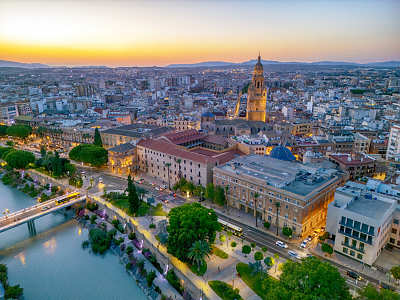
Cartagena has more than 2,500 years of history, but it does not ask you to work hard for it. You can come for half a day, park by the water, walk into the old town, and still feel the layers: Roman stone, modernist façades, naval buildings, café tables, and the port sitting right there in the background.
Start at Parking del Puerto on Paseo Alfonso XII. It is the practical choice because you arrive beside the harbour and can walk straight into the old town instead of circling side streets for parking. For visitors staying near the Mar Menor, La Manga, Los Alcázares, or the southern Costa Cálida, this is the kind of city outing that works beautifully with guests: enough to impress them, not so much that everyone is tired by lunch.
The best version of the day is simple. Do the Roman theatre first, then let the afternoon loosen up around Plaza del Ayuntamiento, Calle Mayor, tapas, the promenade, and coffee. If you want more, add ARQVA or the panoramic lift. If you are with children, older relatives, or people who do not want a museum-heavy day, skip the add-ons and enjoy the streets.
Parking del Puerto
Start by the harbour on Paseo Alfonso XII, then walk into the old town.
Museo del Teatro Romano
Visit the museum first; this is also how you enter the Roman theatre.
Plaza del Ayuntamiento and Calle Mayor
Pause by City Hall, then follow Calle Mayor for façades, cafés, and old-town atmosphere.
Calle Jara tapas
Stop around Calle Jara, with La Uva Jumillana as a good traditional tapas reference.
Harbour, viewpoint, and café asiático
Walk the promenade, add ARQVA or the panoramic lift if you have energy, then finish with Cartagena's signature coffee.
The Theatre First
From the harbour, walk to the Museo del Teatro Romano de Cartagena. The theatre itself is entered through the museum, which makes the reveal better: you move through the story first, then suddenly you are looking at rows of stone seats cut into the city. It held around 6,000 spectators, and the stage area is over 43 metres wide. Those two numbers are enough to picture the scale without turning the morning into a history lecture.
Go earlier rather than saving it for the end. You will have more patience for the museum, the streets are usually easier, and you can spend the rest of the day outside.

When you leave the theatre, continue towards Plaza del Ayuntamiento. This is where Cartagena starts to win people over: stone façades, cafés, people crossing the square, and the harbour still close behind you.
From the square, take Calle Mayor slowly. Look up at the modernist façades rather than rushing to the next pin on the map. This is the part of Cartagena we think many visitors remember most: the city feels lived-in, not staged, with shops, shaded corners, café tables, and enough architectural detail to keep you looking up.
Tapas, Harbour, Coffee
For food, move towards the Calle Jara area instead of picking the first harbour terrace you see. La Uva Jumillana is a good example of the kind of traditional tapas stop that fits this day: casual, local, noisy in the right way, and better for sharing a few things than sitting through a long formal meal.
Order according to appetite. Buñuelos de bacalao, berenjenas con miel, michirones, and vermut de barril all make sense here if they are on the board. This is where the day changes pace. You stop being a visitor ticking off a Roman theatre and start doing what people actually do in Cartagena: eat something small, talk a bit longer than planned, then decide what the afternoon should be.

If you want lunch to become the main event, ask about rice dishes. Caldero, the coastal rice and fish dish associated with the Mar Menor and Cartagena coast, is better when you are ready to slow down rather than squeeze it between museum tickets.
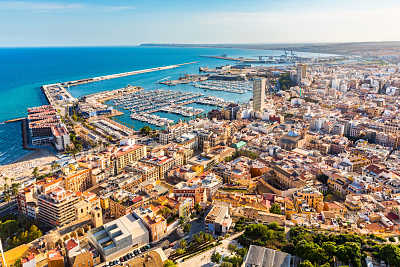
After eating, walk back towards the harbour. The port is a big part of Cartagena's charm: it keeps the city open, bright, and slightly salty, even when you are only a few streets from the old town. If you still want one more proper stop, choose by mood. ARQVA is the better choice for underwater archaeology and maritime history. The Ascensor Panorámico is the better choice if everyone wants a view without a long climb; it rises about 45 metres towards Castillo de la Concepción, with the city, port, and bay laid out below.
Finish with café asiático, Cartagena's signature coffee drink. It is usually made with coffee, condensed milk, Licor 43, brandy, and cinnamon or lemon, depending on the bar. It is sweet and strong, so it feels like an ending. Have it after the walk, when the city has already done its work on you.
Before You Go
Cartagena works because the day has a clear shape without needing a strict schedule. Park by the harbour, do the theatre while you are fresh, wander the old town, eat around Calle Jara, and then decide whether the harbour walk is enough or whether you want ARQVA or the lift.
What makes it special is the mix. Few nearby city days give you Roman history, proper streets, tapas, sea air, and a viewpoint in such a compact route. It feels like a real city, but one you can understand in an afternoon.
Check museum opening hours, ticket prices, and restaurant availability before you go, especially on Mondays, public holidays, and in high summer. For a casual tapas stop you can often decide on the day, but a larger group should book. Four to six hours is enough for the main version; add more time only if you want the city to become a full-day trip.
Planning Time Nearby?
Use Cartagena as Your Easy City Day
If you are staying on the Costa Cálida, Cartagena gives you history, sea views, food, and a real city feel in one manageable outing.
See Properties Nearby