Tabarca Day Trip
Tabarca Island: Perfect Day Trip from Alicante
Experience crystal-clear snorkeling, famous caldero rice dishes, and car-free island life just 45 minutes from Alicante.
Spain's Best-Kept Island Secret
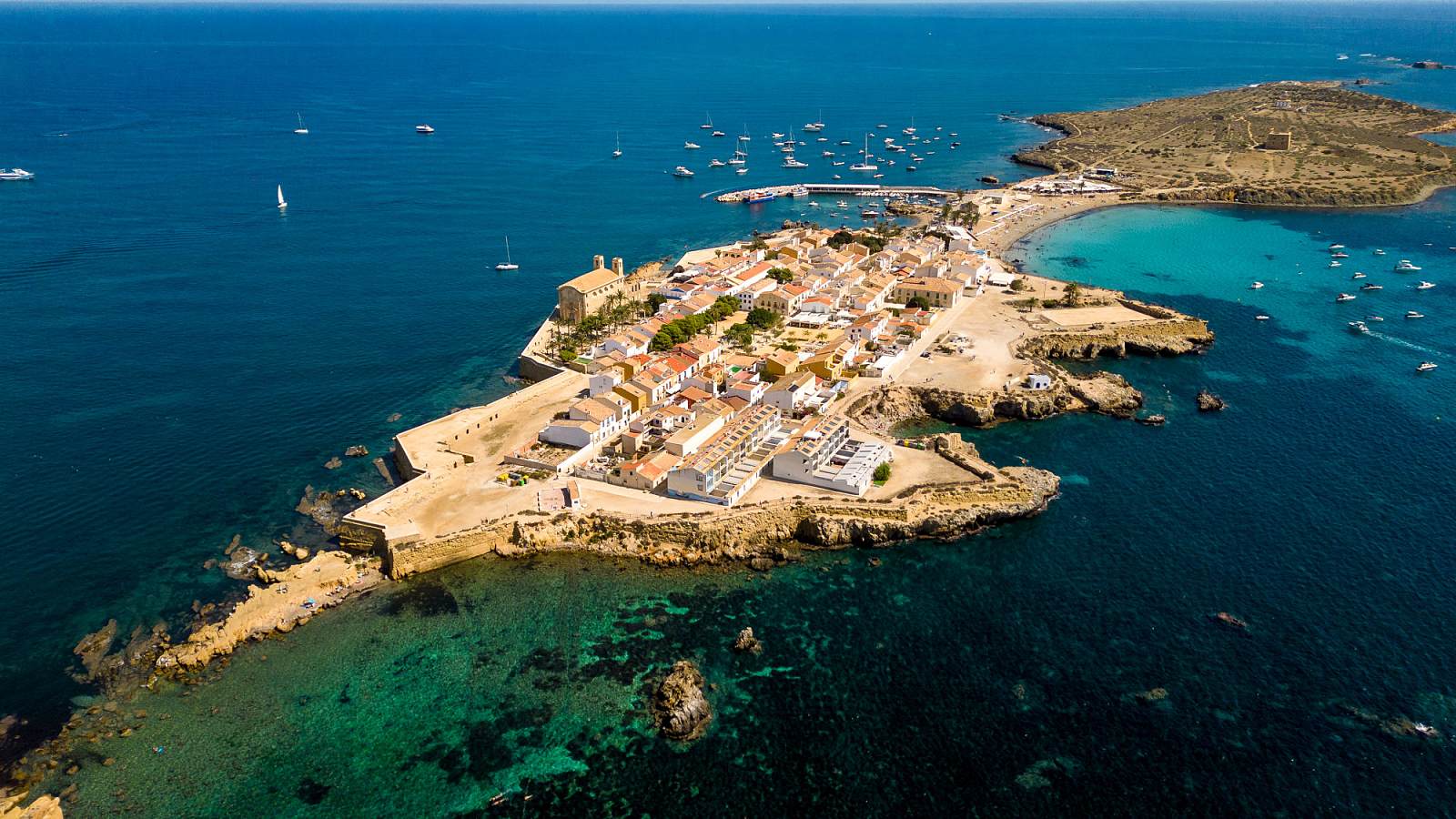
Forty-five minutes from mainland Costa Blanca South sits an island most tourists never discover. Tabarca—Spain's smallest inhabited island—has no cars, no hotels (well, just two tiny ones), and water so clear you can count fish from the pier.
This isn't a manufactured tourist attraction. It's a working fishing community of 59 permanent residents who've called this fortified rock home for generations. The same families who caught fish for Alicante's aristocrats 200 years ago still haul in the catch that becomes today's famous caldero rice dish.
Marine Reserve Waters
Spain's first protected marine reserve (1986) means visibility up to 20 meters and thriving underwater life you won't find at coastal beaches.
Caldero Tabarquino
The island's signature dish—rice cooked in fish stock with fresh catch—is prepared to recipes that haven't changed in centuries.
25-45 Minutes Away
Quick ferry rides from Santa Pola or Alicante make this perfect for a morning departure and sunset return.
Ferry Services & Planning Your Trip
The most frequent and affordable ferries depart from Santa Pola, a fishing town 20 minutes south of Alicante. The journey takes just 25 minutes with ferries running hourly during peak season (June-September). Return tickets cost around €14 for adults, €8 for children.
Direct ferries from Alicante Port take 45 minutes but offer stunning views along the coastline—worth it if you're staying in the city center. Summer months also bring services from Torrevieja (1 hour) and Guardamar for those further south.
For getting around the Costa Blanca South region, check our transport guide for tips on car rental and public transport options.
Book Ahead in Peak Season
July, August, and the September festival weekend fill up fast. Online booking guarantees your spot—walk-up tickets often sell out by 10am.
Catch the Early Ferry
The 9-10am departures give you the full day. Morning light is best for snorkeling, and you'll beat the lunch crowds at restaurants.
Pack Smart
Bring snorkeling gear (rentals are limited), reef-safe sunscreen, and cash. Beach bars prefer cash, though restaurants accept cards.
The Clearest Waters on Spain's Coast
Why Tabarca's Waters Are Different
In 1986, Spain declared Tabarca's surrounding waters its first marine reserve. Four decades of protection have created an underwater wonderland—Posidonia seagrass meadows, schools of rainbow wrasse, octopus hiding in rocky crevices, and the occasional moray eel peeking from its den.
Visibility regularly reaches 15-20 meters. The water temperature ranges from 14°C in February to 27°C in August—perfectly swimmable from May to October without a wetsuit.
The Caldero: Why People Really Come to Tabarca
Ask any local what makes Tabarca special and they won't mention beaches first—they'll talk about the caldero. This isn't just rice with fish; it's a two-course ritual perfected over centuries.
First comes the fish, poached in a rich broth of ñora peppers, garlic, and tomatoes. Then the rice, cooked in that same intensely flavored stock until each grain carries the essence of the sea. The whole process takes 45 minutes, which is why you order when you arrive, swim, then return to find it waiting.
For more on Spanish dining traditions, see our guides on eating out in Spain and authentic tapas culture.
Order the Caldero Early
It takes 45 minutes to prepare fresh. Place your order at 1pm, snorkel, return at 2pm. You'll time it perfectly.
Expect Island Prices
Caldero runs €18-25 per person. Everything arrives by boat, so prices are 20-30% higher than the mainland. Worth it.
Spanish Meal Times Apply
Lunch service runs 1-4pm. Don't expect to eat at noon—kitchens aren't ready. Use the morning for swimming.
A 30-Minute Walk Through Centuries
You can walk the entire island in half an hour—but why rush? Tabarca packs surprising history into its tiny footprint.
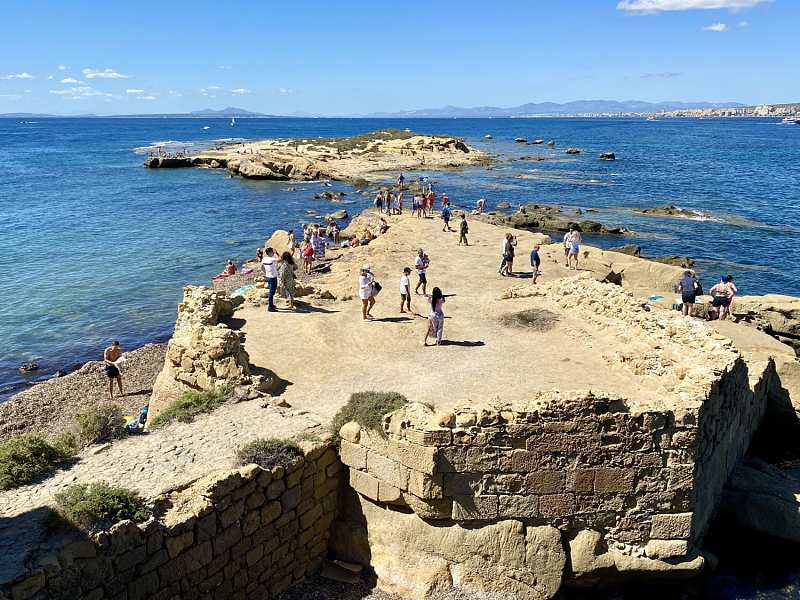
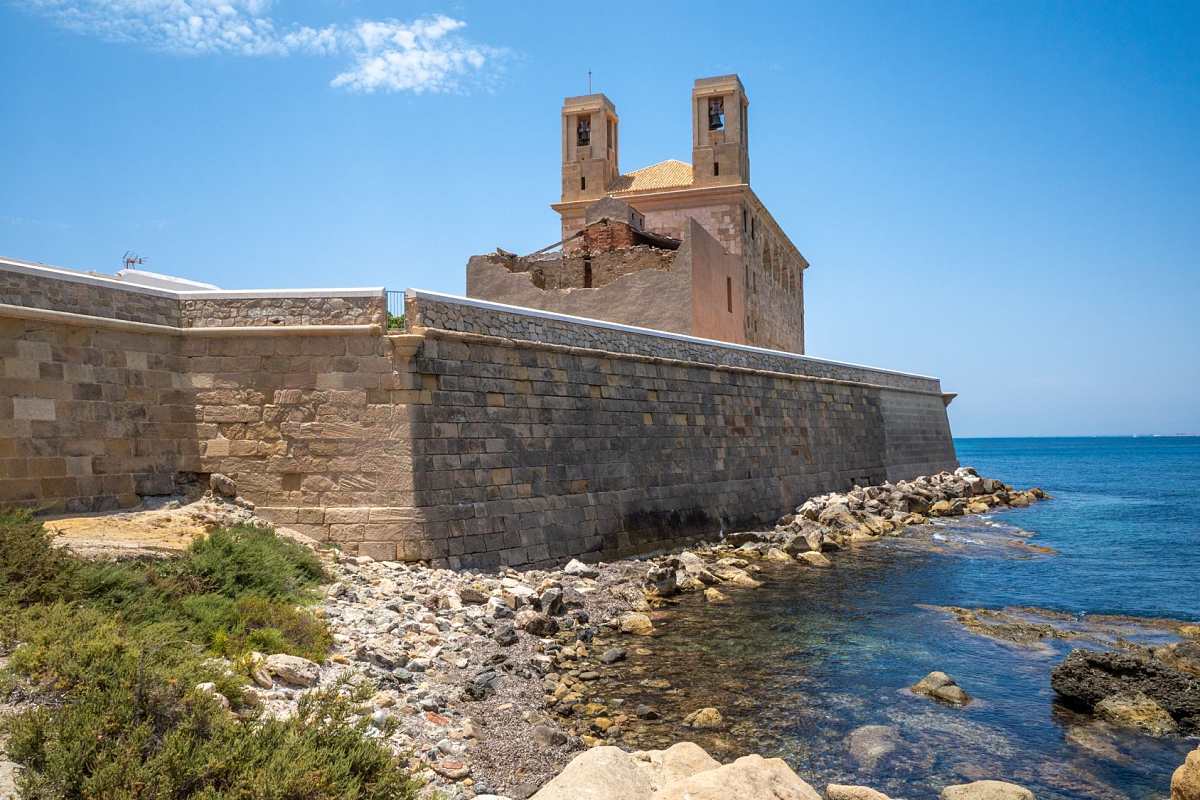
The fortified walls you'll see date from 1769, when King Charles III relocated Genoese fishermen from the Tunisian island of Tabarka (note the similar name). They built what you see today: a walled town, a church, and a governor's house that now serves as a small museum.
The lighthouse at the eastern tip offers the best panoramic views and marks the start of prime snorkeling territory. The western cemetery, oddly, has some of the island's most dramatic sea views—worth the quiet walk.
Walk the Fortification Walls
The 18th-century walls are surprisingly intact. The main gate (Puerta de San Gabriel) and towers give a sense of the island's defensive past.
Visit the Tiny Museum
The Casa del Gobernador houses a free museum covering the island's Genoese origins, fishing history, and marine life. Takes 15 minutes.
Find the Hidden Beach Bar
Past the lighthouse, a path leads to a rocky cove with a basic beach bar. Quieter than the main harbor. Locals drink here.
Catch Sunset from the Cemetery
It sounds morbid, but the western cemetery has unobstructed sunset views. Bring a cold beer from Bar Cala.
September's Caldero Festival
Every September (usually the second weekend), Tabarca transforms for its annual Caldero Festival. This isn't a tourist event dressed up as tradition—it's a genuine celebration where island families compete to prepare the best caldero using recipes handed down through generations.
Massive paella pans bubble along the harbor as fishermen and restaurant owners demonstrate their techniques. You can watch the entire process, from fish selection to final serving, and taste versions prepared by different families—each with their own secret touches.
The festival includes traditional music, local craft displays, and a convivial atmosphere that brings together residents and visitors. Ferry services increase, but book mainland accommodation early—there are only about 20 beds on the island itself.
Everything Else You Need to Know
When to Visit
May-June and September-October offer warm water, smaller crowds, and lower ferry prices. July-August is peak season—busier but with the most frequent ferries. Winter visits are possible (ferries still run) but swimming requires a wetsuit.
Staying Overnight
Two small guesthouses exist for those wanting to see the island empty of day-trippers. Book months ahead for summer. The magic hour is 6-9pm, after the last ferry leaves and before dinner.
Costa Blanca South
Explore More of This Region
Tabarca is just one highlight of Costa Blanca South. Discover beaches, towns, and property opportunities across the region.
Costa Blanca South Guide