Food & Culture
Eating in Spain | A Culture Built Around Food
Spanish dining culture offers variety, value and a rhythm unlike anywhere else. Discover why eating out in Spain feels so different.

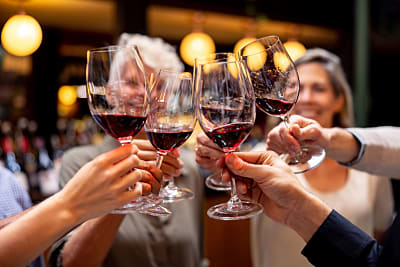
Walk through any Spanish town at lunchtime and you'll notice something different. Tables are full. Conversations are lively. Nobody is rushing.
Menú del día
Three courses with drink for €12-15 at local restaurants
Long lunches
The main meal runs 2-4pm—time to relax, not rush
Outdoor dining
300+ sunny days means terraces are part of daily life
Spanish dining culture centres on shared experience. Meals are social events, not interruptions to the day. This approach to food reflects a broader Spanish lifestyle that prioritises enjoyment and connection over efficiency.
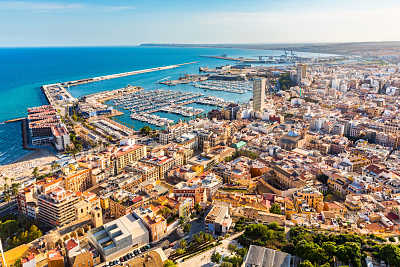
For those considering property ownership, this culture becomes part of daily life. The neighbourhood restaurant where staff know your order. The tapas bar where you stop after a walk. The terrace where dinner stretches until midnight.
Variety and Value
Spain offers remarkable variety at every price point. From simple tapas bars to Michelin-starred restaurants, quality ingredients are the constant. Regional specialities vary dramatically—seafood dominates the coast, while inland areas favour meat and game.
The famous menú del día remains one of Europe's best dining values. A three-course meal with bread, drink and coffee for €12-15 is standard in most towns. This isn't tourist pricing—it's how locals eat.
Fresh Seafood
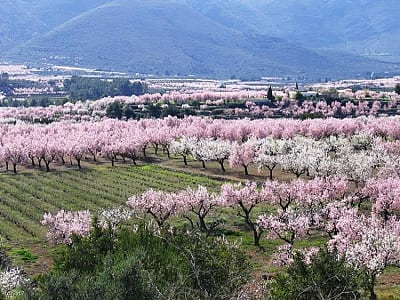
Coastal regions serve fish caught the same morning
Local Produce
Markets supply restaurants with seasonal ingredients
Regional Wines
Excellent quality at a fraction of export prices
Great Value
Quality dining costs significantly less than northern Europe
Compare this to dining in London, Paris or Scandinavia, where a similar meal might cost three times as much. In Spain, eating out regularly is normal, not a luxury. Our food and dining guide covers local markets and cooking at home.
Outdoor Dining Year-Round
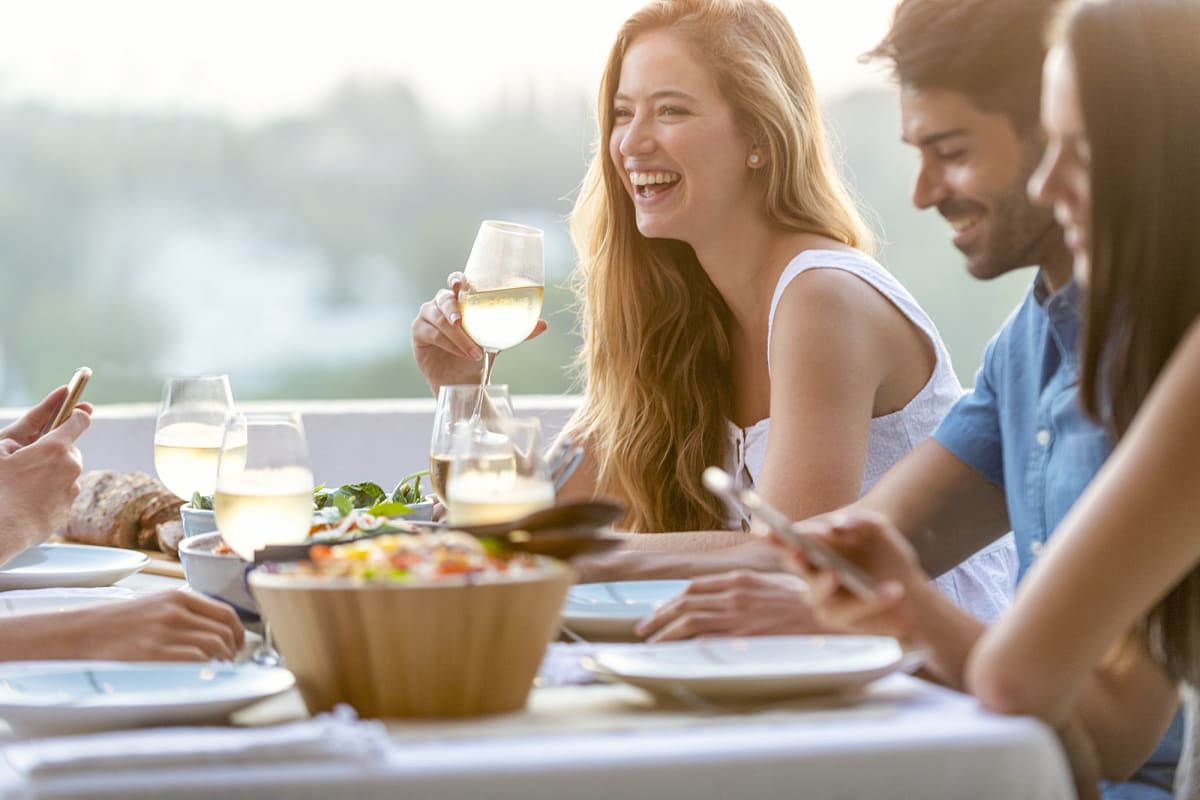
Weather shapes dining culture profoundly. With over 300 sunny days per year on the Mediterranean coast, outdoor eating is the default, not the exception. Terraces fill before indoor tables. Evening dinners happen under stars, not strip lighting.
This stands in sharp contrast to most of the world. In northern Europe, outdoor dining is a summer luxury—a few precious weeks before the rain returns. In much of the United States, extreme temperatures limit outdoor seasons. Even in other Mediterranean countries, the combination of climate, infrastructure and culture rarely matches Spain's outdoor dining experience.
The Spanish climate makes this lifestyle possible. Mild winters mean terrace dining continues through December. Spring and autumn offer perfect conditions. Even summer evenings cool enough to dine comfortably outside.
The Rhythm of Spanish Meals
Spanish meal times surprise newcomers. Lunch between 2pm and 4pm. Dinner rarely before 9pm, often closer to 10pm. This rhythm takes adjustment, but most find it suits outdoor living perfectly.
The late schedule has practical benefits. Midday heat passes before the main meal. Evening temperatures drop to comfortable levels for dining. There's no rush between activities—the day has natural pauses built in.
Morning Coffee
Cafés open early. A cortado and tostada sets up the day.
Late Morning Snack
Around 11am, many stop for a second coffee or small bite.
Lunch as Main Event
The largest meal, often 2-3 courses, taken slowly.
Afternoon Pause
Many businesses close. Time for rest or leisure.
Evening Tapas
Small plates and drinks before dinner, highly social.
Late Dinner
Lighter than lunch, often outdoors, extending into the night.
This pattern may seem inefficient to those from cultures where meals are quick fuel stops. But efficiency isn't the point. The rhythm creates space for connection, for savouring, for living well.
How Spain Compares Globally
Spain's dining culture stands apart when compared internationally. It's not just about the food—it's the combination of factors that create the experience.
Spain
Northern Europe
Italy offers similar food culture but higher prices in tourist areas. France has comparable quality but more formality. Portugal comes closest in value and atmosphere, though with different culinary traditions. Greece offers outdoor dining and value but with more seasonal limitations.
Beyond Europe, the comparison shifts further. American dining culture emphasises speed and portion size. Asian food cultures offer incredible variety but different social dynamics. Australia and New Zealand have excellent food scenes but at significantly higher prices.
What makes Spain unique is the combination: exceptional value, year-round outdoor conditions, relaxed pace, and a culture that treats every meal as worth enjoying. Read more about daily life on Costa Blanca to understand how food fits into the broader lifestyle.
A Way of Living
For property owners, Spanish food culture becomes woven into daily life. The convenience of excellent, affordable restaurants means cooking becomes a choice, not a necessity. The social nature of dining creates natural opportunities to connect with neighbours and community.
This isn't about fine dining or foodie tourism. It's about ordinary Tuesday lunches that feel like occasions. About knowing the waiter's name. About sitting outside in December because you can.
Food in Spain is not separate from life. It is life.
Ready to Experience It?
Find Your Spanish Property
Discover properties where this lifestyle becomes your everyday reality.
Browse Properties