Travel Guide
Discover Costa Blanca | Complete Travel Guide 2026
Explore Costa Blanca from north to south. Discover charming towns, stunning beaches, local cuisine, and practical travel tips for Spain's White Coast.
The Dramatic Northern Coast
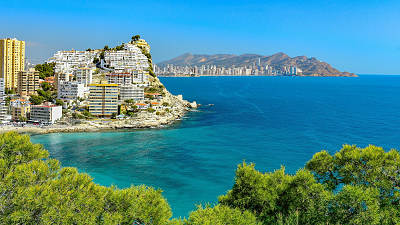
Head north from Alicante and the coastline gets dramatic—think towering cliffs, secret coves tucked between rocks, and pine forests tumbling down to the sea. This is where Costa Blanca shows off.
Dénia sits at the northern tip—a proper working town with a Moorish castle on the hill and a UNESCO badge for its food scene. Ferries leave from the marina for Ibiza and Mallorca, and the restaurants around the old town serve some seriously good rice dishes.
Jávea (or Xàbia if you're being local about it) huddles below the massive Montgó mountain. Everyone comes for the hidden coves—La Granadella regularly makes those 'best beaches in Spain' lists. The water's so clear you can see fish swimming around your ankles.
Calpe is the one with that massive rock sticking out of the sea—the Peñón de Ifach. You can climb it if you're feeling energetic (the views are worth it), then head down to the fishing port for lunch. Fresh seafood, obviously.
Altea is where the artists hang out—all whitewashed houses climbing up a hill, topped with a church that has these distinctive blue-tiled domes. The cobbled streets are full of galleries and craft shops. Grab a spot in the church square at sunset and you'll see why people get a bit dreamy about this place.
Benidorm gets a bad rap for its high-rises, but honestly? The beaches are brilliant. Playa de Levante and Playa de Poniente have gorgeous golden sand, warm water, and everything you could possibly need. The old town up on the headland between the two beaches still has plenty of character.
Villajoyosa is the one with all those colourful houses right on the beach—reds, yellows, blues, greens. Story goes that fishermen painted them bright colours so they could spot home from out at sea. It's also Spain's chocolate capital (the Valor museum is worth a visit if you've got a sweet tooth).
Want more detail on this part of the coast? Check out our Costa Blanca North area guide.
Alicante and the Southern Coast
Alicante isn't just where you fly into—it's actually a really lively city with a gorgeous waterfront. The Santa Bárbara castle sits up on the hill looking down over everything (the views are incredible). Down below, there's this brilliant promenade with wavy patterned tiles that leads you into El Barrio, the old quarter that's packed with tapas bars and little shops.
The southern coast feels different—wider beaches, flatter landscape, loads of international residents. Guardamar del Segura has this unusual mix of sand dunes and pine forests (they planted the trees back in the early 1900s to stop the sand taking over the town).
Torrevieja has two salt lakes—one of them goes bright pink in summer because of tiny organisms in the water. The beaches are long and easy to access, and there's a massive expat community here, especially Scandinavians and Brits. If you're into golf, the Orihuela Costa area around here has courses everywhere.
We've got loads more on this area in our Costa Blanca South guide—property tips, what it's like to live here, all that stuff.
Alicante
Take the lift up to Santa Bárbara castle, then wander the wavy-tiled Explanada
Guardamar
Walk through the unusual mix of sand dunes and pine forests
Torrevieja
See the pink salt lake and enjoy the long, easy beaches
Inland Treasures
The mountains behind the coast hide some properly dramatic villages. You'll want a car to explore them—the contrast with the beach towns is wild.
Guadalest is one of those places that gets absolutely mobbed with tourists, but for good reason. This tiny village clings to a rocky peak with a castle that looks like it's growing out of the stone. Below there's this emerald-green reservoir reflecting the mountains. Get there early before the tour buses roll in.
Jijona (or Xixona) is where turrón comes from—that almond nougat stuff everyone eats at Christmas. The museum shows you how they make it, and you can try both the hard Alicante-style and the soft Jijona-style versions.
Food and Practical Tips
The food here is brilliant—proper Mediterranean stuff with loads of rice dishes (way more interesting than just paella).
Arroz a Banda
Rice cooked in fish stock, served with alioli. A coastal classic.
Fresh Seafood
Watch the fish auctions at Calpe or Dénia, then eat at harbourside restaurants.
Turrón
Almond nougat from Jijona—the perfect edible souvenir.
Local Wines
Try wines from Alicante DO, including the sweet Fondillón dessert wine.
When to come: Spring (April–June) and autumn (September–October) are perfect—warm without being roasting. Summer's guaranteed sunshine but it gets busy and hot (30°C+). Winter's mild and sunny, great if you're escaping the cold up north.
Want more? We've got guides on where to eat in Alicante and finding the best beaches.
Ready to Explore?
Make Costa Blanca Your Home
From holiday visits to permanent moves, we help you find the right property on Spain's White Coast.
Browse Properties