
Spanish Style Guide
How to Blend In: Dress and Style Tips for Spain
Avoid common fashion mistakes and dress like a local in Spain. Practical tips on everyday style, seasonal dressing, and social etiquette for expats and visitors.

Why Dress Matters in Spain
First impressions count everywhere, but in Spain, appearance carries particular weight. Spaniards take pride in looking presentable, even for everyday errands. This does not mean everyone dresses formally, but rather that effort and attention to detail are valued.
For visitors, expats, and digital nomads, understanding local dress norms helps you blend in, feel more confident, and connect more easily with your community. You do not need to buy a new wardrobe. Small adjustments often make the difference between looking like a tourist and fitting naturally into daily life.

Casual vs Sloppy: The Key Difference
Spanish casual is not the same as sloppy. Locals tend to wear clean, fitted, and simple clothing rather than oversized or worn-out pieces. A well-fitting pair of jeans with a crisp shirt or blouse is perfectly appropriate for most situations. What stands out negatively is clothing that looks like sleepwear, gym clothes worn outside the gym, or heavily distressed items.
The goal is to appear put together without overdressing. Think effortless style rather than trying too hard.
Seasonal and Regional Dressing
Spain's diverse climate means dressing appropriately requires seasonal awareness. Summer heat, particularly in the south and along the coasts, demands lightweight, breathable fabrics. Linen, cotton, and loose-fitting clothes help you stay comfortable. However, even in extreme heat, Spaniards rarely wear athletic shorts or very short shorts outside beach areas.
Winter varies significantly by region. Coastal areas remain mild, while inland cities like Madrid can be surprisingly cold. Layering is essential: a good jacket, scarves, and closed shoes replace summer sandals. Spring and autumn require flexible wardrobes, as temperatures can shift quickly within a single day.
Summer
Lightweight fabrics, breathable cotton and linen. Avoid athletic shorts away from the beach.
Winter
Layers, good jackets, and closed shoes. Scarves add warmth and style.
Spring & Autumn
Flexible wardrobes with layers. Weather changes quickly throughout the day.
Rain Days
Keep a light jacket or umbrella handy. Waterproof footwear for winter months.
City vs Coastal vs Rural Differences
Big cities like Madrid and Barcelona tend toward smarter casual. Residents dress with more attention to trends and quality. You will notice fewer shorts and flip-flops, even in summer.
Beach towns along the Costa Blanca, Costa del Sol, and Costa Brava are more relaxed. Casual resort wear is accepted in many places, but beachwear should still stay at the beach. Wearing swimsuits or shirtless attire in restaurants or shops is frowned upon.
Villages and inland areas often have their own norms, typically more conservative than coastal resorts but less fashion-conscious than cities. Practical, modest clothing works well in these settings.

Common Mistakes and Quick Tips

Why Tourists Stand Out
Certain habits immediately signal tourist status. Wearing beachwear in town, sporting athletic gear as daily clothing, and carrying large obvious cameras or fanny packs at chest level are common giveaways. Overly casual footwear and very bright or mismatched outfits also draw attention.
The fix is simple: choose cleaner lines, neutral or coordinated colors, and appropriate footwear for the setting. You can still express personal style while respecting local norms.
Adapting Without Losing Your Style
Blending in does not mean abandoning your identity. The goal is adaptation, not imitation. Keep the pieces you love but consider how they fit local expectations. A favourite graphic tee can work with well-fitted trousers instead of sweatpants. Comfortable shoes can still be stylish.
Comfort matters, especially in the heat, but comfort and conformity are not mutually exclusive. Finding the balance improves both your confidence and how others perceive you.
Dressing well in Spain is about respect, both for yourself and for the culture around you. By observing locals and making small adjustments, you will feel more comfortable, make better impressions, and enjoy your time in Spain more fully. The effort is minimal, but the rewards, in terms of confidence and social ease, are significant.
For more insights on adapting to everyday life in Spain, explore our guides on local customs and culture.
Planning Your Move?
Discover Life in Spain
From daily routines to social customs, learn what it truly means to live on the Spanish coast.
Read Our Lifestyle GuideTalk to a local broker
We live and work on Costa Blanca North — Jávea, Dénia and the towns around our office. We are a licensed estate agency, not only a guide: homes on our books, trusted partners for banking, legal, currency and other locations when you need them. Tell us where you are thinking of moving. No property shortlist required. We will help you find a sensible next step.
Talk to us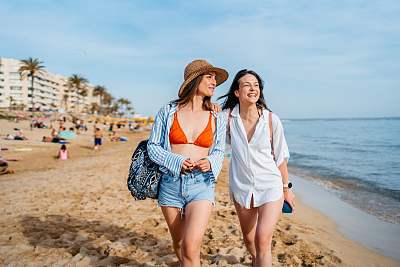


Dressing for Social Situations
Footwear Matters
Spaniards pay close attention to shoes. Clean, well-maintained footwear makes a strong impression. White trainers and sneakers are widely accepted for casual wear, but they should be clean. Flip-flops are reserved strictly for the beach or pool.
For evenings out, loafers, ankle boots, or stylish flats work well. Men often wear leather shoes or clean sneakers. The key is choosing practical but presentable options that suit the occasion.
Acceptable Footwear
Avoid These
Dining, Evenings, and Social Events
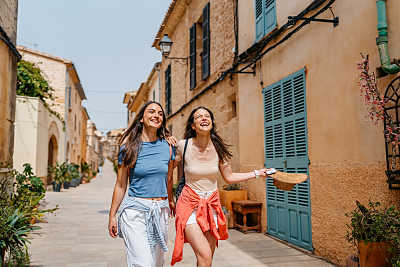
For tapas bars and casual restaurants, smart casual works perfectly. A nice top with jeans or a casual dress fits most settings. For finer restaurants or special occasions, Spaniards dress up noticeably: elegant dresses, tailored trousers, and polished shoes.
Nightlife varies by venue. Beach clubs are more relaxed, while city bars and clubs expect sharper attire. When in doubt, observe what locals are wearing and match their level of formality.
Work and Professional Settings
Office dress in Spain tends toward business casual, though this depends on the industry. Banks, law firms, and corporate offices often require formal attire. Creative industries and tech companies may be more relaxed. Remote work has influenced norms, but video calls still warrant presentable clothing from the waist up.
Religious Sites and Formal Occasions
Churches, cathedrals, and religious ceremonies require modest dress. Cover shoulders and knees. Some sites provide shawls at the entrance, but bringing your own is more reliable. For festivals and local celebrations, locals often dress traditionally or smartly. Following their lead shows respect for the occasion.