
Building in Spain
Building a House in Spain Without Getting Burned
Buying a plot in Spain is not like buying a finished home. What foreign buyers get wrong about land, licences, and who to hire before building.
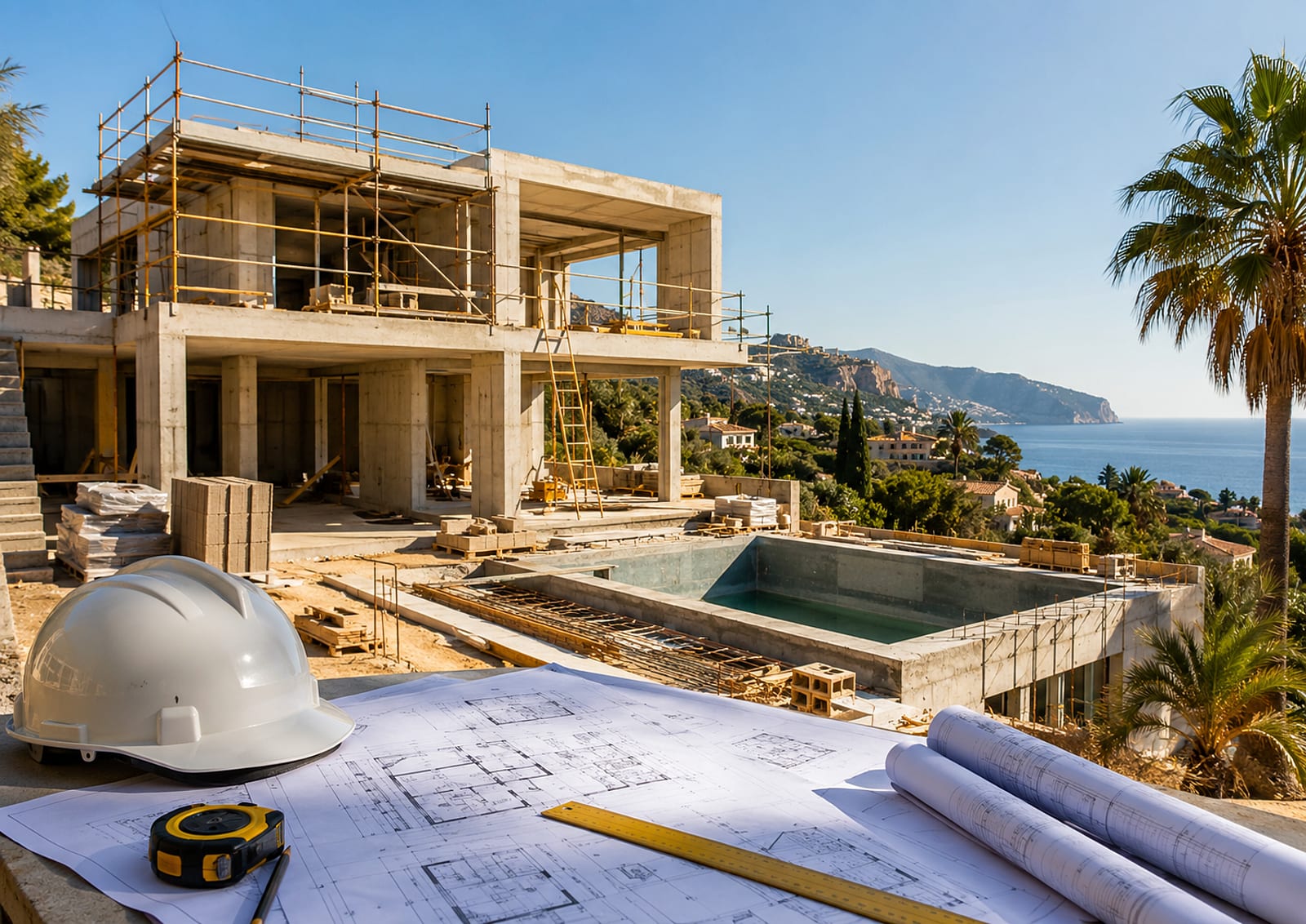
The Dream Meets the Rules
A custom villa with sea views. A countryside finca finished to your plan. A retirement home where every room is exactly right. That picture sells plots across Spain every week, from the Costa Blanca and Costa del Sol to inland Valencia, Murcia, and the Balearics.
Then the paperwork starts. Land classification, planning rules, architects, building licences, construction contracts, utility connections, taxes, and legal checks. Buying a plot is not the same as buying a ready-built home. Owning the land does not mean you can build on it.
Foreigners can build in Spain. Nationality is rarely the problem. Buildability is. You will usually need an NIE number, often a Spanish bank account, and you must follow the same local planning rules as a Spanish buyer. The buyers who get into trouble are the ones who treat a cheap listing and a seller promise as enough due diligence.
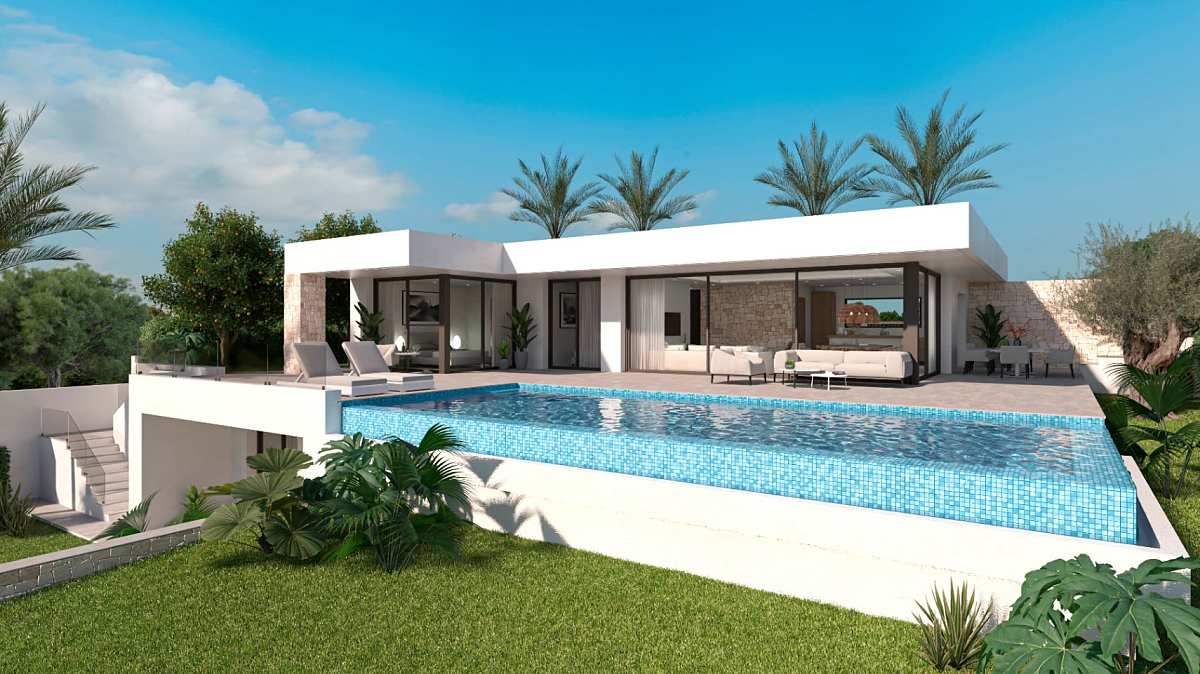
If you are comparing self-build with a finished home or a new-build from a developer, budget time and professional fees into the plot route from day one. The cheaper sticker price on land often hides the real cost.
Not All Land Is Buildable
Spanish land falls into broad planning categories. The category decides whether a residential house is legal, how large it can be, and how expensive the site becomes before you pour a foundation.
Urban Land
Usually the safest route for a house. Still check planning class, buildability percentage, height limits, minimum plot size, setbacks, road access, utilities, and any unpaid urbanisation costs.
Developable Land
Earmarked for future development, but not ready yet. You may fund roads, drainage, electricity, and water before a licence is realistic. Delays and extra costs are common.
Rustic Land
Often cheap in listings and risky in practice. Agricultural use may be allowed while a villa is not. Minimum plot sizes can be large, protection rules strict, utilities costly, and mortgages harder.
Rustic Red Flag
Never assume you can build because the plot is for sale. Existing buildings may be illegal or unregistered. Resale can be difficult if residential use is restricted.
The cheapest plot is rarely the best plot. On rustic land especially, a low asking price often reflects planning limits, missing services, or legal problems that your lawyer and architect must surface before you commit. Banks can also refuse mortgages on rustic or poorly serviced plots, so a cash buyer who later wants to refinance may find the land hard to leverage or resell.
Check Buildability Before You Buy
Photos, views, and seller assurances are not due diligence. Before you pay for land, your independent lawyer and architect should confirm classification and planning status, whether residential construction is allowed, maximum buildable area, minimum plot size, protected zones, rights of way, legal access, utility availability, debts or charges, correct registration, pending urbanisation costs, and any coastal, environmental, or rural restrictions. That work sits inside the same habit of checks described in our legal requirements guide and common buying mistakes.
Skip the Lawyer
Skip the Architect
Construction has its own traps. If you skip a technical architect (aparejador) on site, poor workmanship and plan deviations show up at completion, when fixes are slow and expensive. A builder may thin load-bearing walls or cut corners on electrics to save cost; without supervision you often notice only when the licence of first occupation stalls or a survey fails.
Contracts matter just as much. If you have no written construction agreement with stage payments, timelines, and specifications, a builder who goes insolvent mid-project can leave you having paid 60% with little leverage to recover funds or force completion. Pay against certified stages, not verbal promises.
The Professionals Who Matter
Independent Lawyer
Checks ownership, planning issues, debts, contracts, payments, and permissions. Hire someone who works for you, not the seller. See what a lawyer consultation covers before you commit.
Architect
Tests whether your design fits the plot, prepares the project, and submits technical documentation for the licence. Feasibility belongs before purchase, not after.
Technical Architect (Aparejador)
Supervises execution and quality on site. Catches deviations from the approved plans while they are still cheap to fix.
Builder and Clear Contract
The builder follows the approved project. Your contract should lock stage payments, specs, timelines, and remedies if work stalls. A project manager or surveyor can add coordination when the job is complex.
Building in Spain is possible. It is not a shortcut, and it is not a place to cut professional fees to stretch the land budget. Get buildability confirmed in writing first. If the plot fails those checks, walk away and look at finished stock or a developer-led new-build process instead. For purchase costs that sit beside any build budget, see our guide to buying costs and taxes.
Free Consultation
Book a Free 60-Minute Lawyer Consultation
Looking at a plot before you buy? Speak with an independent Spanish property lawyer for free. Ask about land classification, buildability, debts, urbanisation costs, and licences.
Book Free ConsultationTalk to a local broker
We live and work on Costa Blanca North — Jávea, Dénia and the towns around our office. We are a licensed estate agency, not only a guide: homes on our books, trusted partners for banking, legal, currency and other locations when you need them. Tell us where you are thinking of moving. No property shortlist required. We will help you find a sensible next step.
Talk to us


