Investment Returns
Spain Property Investment Returns: Real Yields by Region
Realistic rental yields, property prices, and capital growth across Spain's key investment regions. Data-driven analysis of net returns after all costs.

Spain draws billions in foreign property investment each year, but actual returns vary dramatically by region, property type, and rental strategy. Here is what the data shows across five key markets.
Understanding the difference between gross and net rental yields is essential before comparing regions. Gross yield is annual rental income divided by purchase price—the figure most commonly advertised. Net yield strips out property taxes, community fees, insurance, maintenance, vacancy, and management costs. This adjustment typically reduces gross figures by 30–50%, which is why headline numbers rarely match real-world returns.
Short-term holiday rentals generally produce higher gross yields but carry higher operating costs, seasonal vacancy, and licensing requirements. Long-term residential lets offer lower headline returns but steadier occupancy and simpler management.
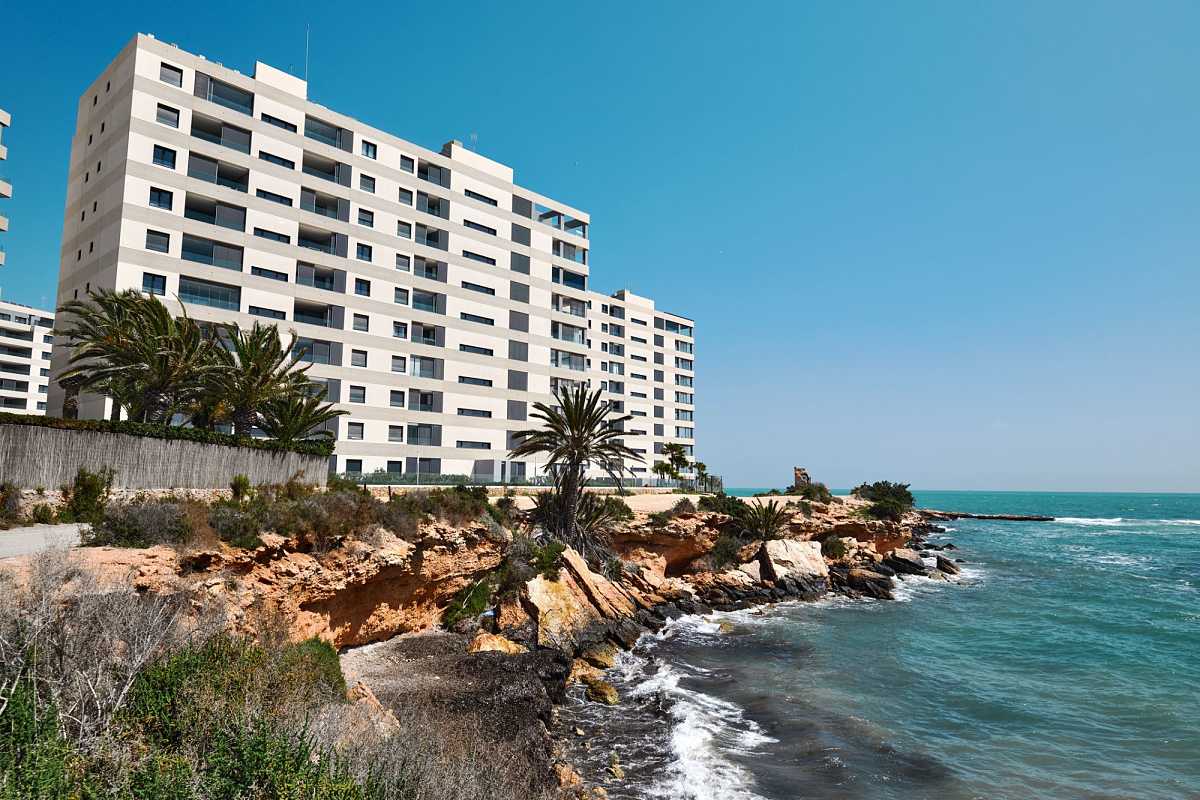
Costa del Sol leads in short-term rental demand, with gross yields of 5–8% in tourism-heavy areas like Fuengirola and Benalmádena. Marbella commands premium prices that compress yields to 4–6% gross, though capital growth compensates. Costa Blanca offers a broader spread: 4–7% gross, with Alicante province benefiting from lower entry prices. Costa Cálida remains one of Spain's strongest value propositions, with gross yields of 5–8% around the Mar Menor and Cartagena, although market liquidity is lower.
Madrid and Barcelona deliver 3–6% gross on long-term lets, supported by robust employment markets. Barcelona's short-term rental market faces increasingly strict regulation—investors must verify licensing availability before committing capital. For a deeper dive into rental property fundamentals, see our rental property guide.
Property Prices and Capital Growth
| Region | Budget (€/m²) | Mid-Range (€/m²) | Luxury (€/m²) | 5-Year Growth |
|---|---|---|---|---|
| Costa del Sol | €1,800–2,500 | €2,500–4,000 | €4,000–8,000+ | +35–45% |
| Costa Blanca | €1,200–1,800 | €1,800–3,000 | €3,000–6,000 | +25–35% |
| Costa Cálida | €900–1,400 | €1,400–2,200 | €2,200–4,000 | +20–30% |
| Madrid | €2,000–3,000 | €3,000–5,000 | €5,000–10,000+ | +30–40% |
| Barcelona | €2,500–3,500 | €3,500–5,500 | €5,500–10,000+ | +25–35% |

Capital appreciation varies significantly within each region. Beachfront properties in Marbella have seen 40%+ price increases over five years, while inland towns just 20 kilometres away may have appreciated only 15–20%. In Barcelona, central Eixample has outperformed peripheral districts by a wide margin. Madrid's expanding metro corridors have driven above-average growth in previously overlooked neighbourhoods.
The key insight: micro-location matters more than the region itself. A well-positioned apartment in an emerging area of Costa Cálida may outperform a generic inland property on the Costa del Sol in both yield and appreciation. Prioritise walkability, beach proximity, infrastructure investment, and proven local rental demand over regional averages.
True Cost of Ownership
Every return projection must account for the full cost structure. Spain's ownership costs are moderate by European standards but substantial enough to cut 2–3 percentage points from gross yields. Budget for these from day one.
Purchase Costs
Transfer tax (6–10%), notary (€600–1,200), registration (€400–700), and legal fees (1–2%) add 8–12% to the headline price.
Annual Property Tax (IBI)
Ranges from €300 to €2,000+ annually depending on municipality and cadastral value. Coastal areas tend to be higher.
Community Fees
Monthly charges of €50–350 for urbanisations with shared pools, gardens, and lifts. Older buildings may levy special assessments.
Maintenance & Insurance
Budget 1–2% of property value annually for upkeep, repairs, and building insurance. Remote owners typically pay more.
On a €200,000 apartment generating €12,000 in annual gross rent (6% gross yield), typical annual costs of €4,000–5,500 in IBI, community fees, maintenance, insurance, and management leave a net yield of approximately 3.2–4%. For non-resident owners, add Spain's non-resident income tax on rental income—currently 19% for EU/EEA citizens and 24% for non-EU nationals.
Regional variations matter: IBI rates in Marbella and Barcelona are notably higher than in smaller municipalities along the Costa Cálida. Community fees for luxury developments with concierge services can exceed €500 monthly. Always model your costs against a specific property, not regional averages. For a complete breakdown, see our costs and taxes guide.
Matching Strategy to Region
Each region rewards a different investment approach. Costa del Sol and coastal Costa Blanca are short-term rental strongholds, with established tourist infrastructure and high seasonal demand. Madrid excels for long-term buy-to-let, offering Spain's strongest employment market and consistent tenant demand year-round. Barcelona offers premium long-term returns but faces increasingly strict short-term rental regulations—verify licensing before committing.
Costa Cálida represents an emerging value play: lower entry prices and rising international demand suggest above-average capital growth potential, though the rental market is less mature. Hybrid strategies—personal use for part of the year, holiday lets during peak season—work well across all coastal regions for investors who value lifestyle alongside returns.
Opportunities
Risk Factors
Spain offers genuine investment returns, but they are regional and strategy-specific. The data consistently shows that informed, location-specific decisions outperform broad market bets. Investors who combine realistic yield expectations with thorough legal due diligence, local rental regulation knowledge, and honest cost modelling are best positioned to achieve sustainable returns. Long-term thinking beats speculation—every time.
Ready to Model Your Returns?
Build a Realistic Investment Projection
Return expectations vary by region, strategy, and timing. Explore our buying guides to understand the full picture—from legal requirements to financing options—and build a projection tailored to your target market.
Explore Our Buying Guides