
Flipping vs Rentals
Flipping vs Long-Term Rentals in Spain
Compare house flipping and long-term rental strategies in Spain. Real numbers on returns, taxes, and which approach works for property investors.

The Flipping Strategy
Spain's property market attracts investors chasing flip profits. Here's what the numbers actually look like.
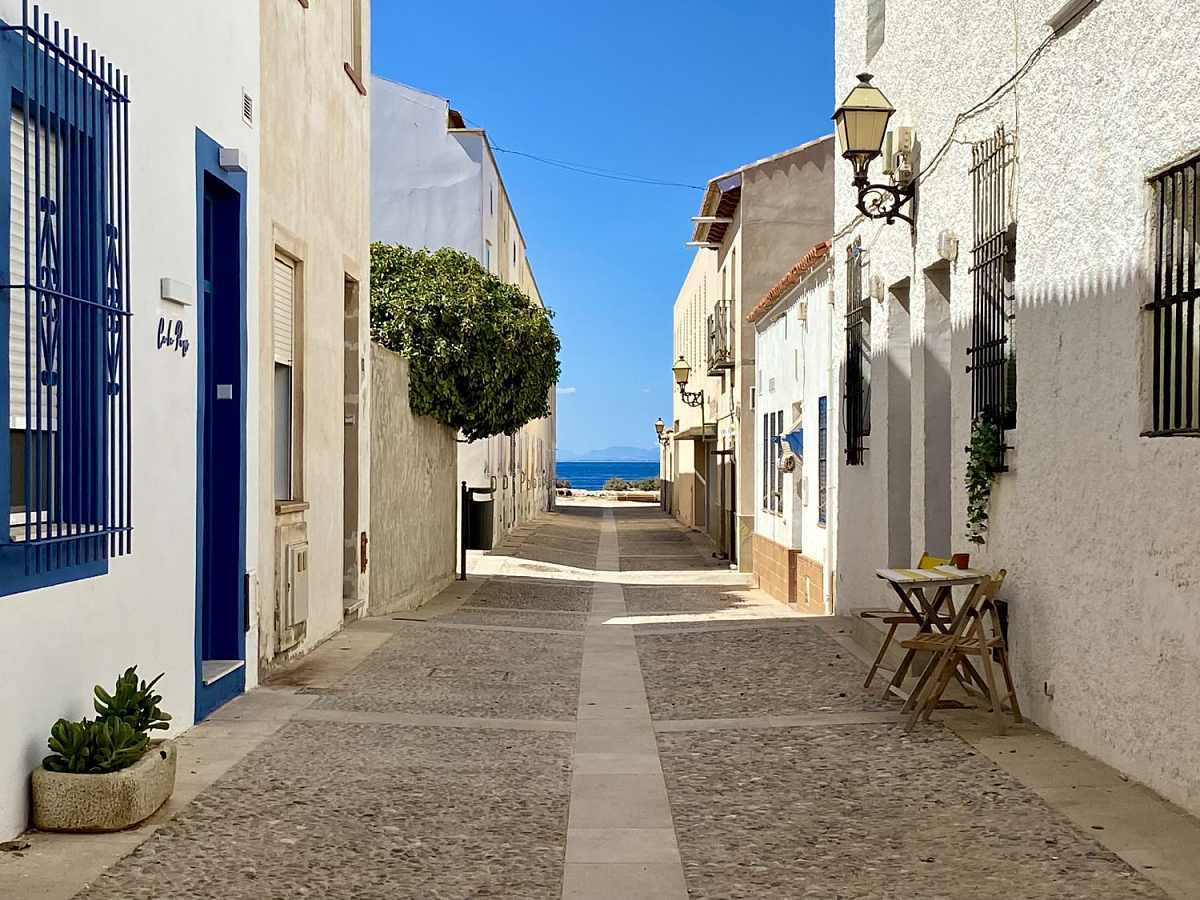
The pitch is straightforward: buy a resale property, renovate, and sell at a profit. On the Costa Blanca, a typical flip scenario looks like this—purchase an apartment for €250,000, invest €50,000 in renovations, and aim to sell for €350,000 within eight to twelve months. That's €50,000 in gross profit, a seemingly strong return on paper.
But paper profits and real profits are different things. Purchase costs (notary, registration, transfer tax) add 8–10% upfront—roughly €25,000 on a €250,000 property. Holding costs during renovation and sale (IBI tax, community fees, utilities, insurance) run €100–250 per month for 8–12 months. Then come exit costs: agent commission, capital gains tax at 19% for non-residents, and legal fees that consume 25–30% of your gross profit.
The realistic net? Your €50,000 gross profit shrinks to approximately €25,000–30,000 after all costs and taxes. That's roughly a 20% net margin on a €300,000 total investment—respectable if everything goes to plan. But renovation delays, underestimated budgets, and shifting buyer demand can erode margins quickly. On the Costa del Sol, where properties range from €250,000 to €450,000 and renovations run €40,000–80,000, the capital requirements are steeper still. See our costs and taxes guide for a detailed breakdown of transaction fees.
The Long-Term Rental Strategy

Long-term rentals take a fundamentally different approach. The same €300,000 investment—a well-located apartment in Jávea, Denia, or the Murcia coast—generates recurring income instead of a one-time payout.
A €250,000 apartment on the Costa Blanca at a 5% gross yield produces roughly €12,500 annually (€1,000–1,100 per month). On the Costa Cálida, where yields run higher at 5–6.5%, the same capital works harder. After deducting management fees, maintenance, insurance, IBI tax, and community charges, expect net yields of 3–4%—translating to €8,000–12,000 in annual net income.
These aren't headline numbers. But rentals compound in ways flips cannot. Non-resident landlords can deduct maintenance costs, management fees, IBI tax, insurance premiums, and depreciation (typically 3% of construction value annually). These deductions significantly reduce your taxable rental income. For details on structuring your investment, read our finance guide.
Beyond cash flow, you benefit from capital appreciation. Spanish coastal property has historically appreciated 3–5% annually in established markets. Over a ten-year hold, your €250,000 property could be worth €330,000–400,000—gains you realise when you eventually sell, on top of a decade of rental income.
Recurring Income
Monthly cash flow without active project management or exit pressure
Tax Efficiency
Deductible expenses including maintenance, fees, and depreciation reduce taxable income
Capital Appreciation
Property value grows 3–5% annually alongside rental returns
Lower Risk Profile
Diversified income stream cushions against market volatility
Side-by-Side Comparison
| Factor | Flipping | Long-Term Rental |
|---|---|---|
| Capital Required | €300K+ (purchase + renovation) | €275K+ (purchase + reserve fund) |
| First Return | 8–12 months | Month 1 (first rent payment) |
| Gross Return | €40–60K one-time | €12–18K annually |
| Net Return After Tax | €25–35K (~20% margin) | €8–12K annually (~3–4% net) |
| Tax Burden | 19% capital gains (non-resident) | Income tax with deductions |
| Risk Level | High (market timing, renovation) | Moderate (tenant demand, vacancy) |
| Management Effort | High (contractors, marketing, sale) | Low (property manager handles it) |
| Holding Costs | €100–250/month (8–12 months) | €100–250/month (offset by rent) |
Geography shapes these numbers significantly. On the Costa Cálida, higher rental yields of 5–6.5% gross make buy-to-rent particularly compelling—lower property prices mean your capital stretches further and yields outperform. The Costa Blanca offers balanced opportunities: flipping works for well-located apartments in high-demand areas, while larger properties perform better as long-term rentals. The Costa del Sol's premium pricing compresses flip margins, though strong international demand supports both strategies in prime locations like Marbella and Estepona.
The critical distinction: flipping generates a single, larger payout but requires you to repeat the entire process for each return. Rentals generate smaller, continuous returns that compound through appreciation and reinvestment. For most investors building long-term wealth, the compounding effect matters more than any single flip profit.
Making Your Decision
Flipping Makes Sense When
Rentals Win When
For most international investors—especially those managing from abroad—long-term rentals in Spain offer a more predictable, tax-efficient, and manageable path to returns. Flipping can work, but it demands local presence, deep market knowledge, and tolerance for concentrated risk.
Neither strategy is universally superior. Your choice depends on your capital structure, risk appetite, and how actively you want to manage your investment. Before committing to either approach, understand the legal requirements for foreign property owners and review the common mistakes that catch investors off guard.
Ready to Invest?
Find Your Investment Property in Spain
Browse properties across the Costa Blanca, Costa Cálida, and Costa del Sol—matched to your investment strategy.
View Properties 🇬🇧 English Immobilien kaufen
Spain Property Investment Returns: Real Yields by Region
 Immobilien kaufen
Mietinvestitionen an der Costa Blanca Nord: Renditen aus Mieteinnahmen
 🇬🇧 English Immobilien kaufen
Dutch and Belgian Buyers on the Costa Blanca
 Immobilien kaufen