US Retiree Buyers
Can American Retirees Buy Property in Spain?
Learn how Florida retirees can buy holiday homes in Spain, stay within the 90-day rule, generate rental income and handle taxes in both countries.

Buying Does Not Equal Residency
Yes, American retirees can buy property in Spain. No, the deed does not let you spend winters there without limits. Ownership and immigration law are separate, and mixing them up is the mistake that derails most Florida buyers.
US citizens face no ban on purchasing Spanish homes. You can buy as an individual or as a married couple. A Spanish company structure is possible, but only with tax advice in both countries first.
What you get with the keys is title, not the right to live in Spain full time. A deed, an NIE number, a Spanish bank account and utility bills do not override Schengen rules. Spain's Golden Visa route for property investment has also ended for new applicants, so a purchase no longer opens a residency shortcut.
If you want more than short stays, research current visa options such as the non-lucrative visa before you pay a deposit. Our residency overview and legal buying guide cover the paperwork side.
You Can Buy
Americans may purchase as individuals or couples with no nationality ban on Spanish property.
You Cannot Stay Year-Round
Ownership alone does not grant residency or extra days beyond Schengen visitor limits.
Visas Are Separate
Longer stays need a visa route such as non-lucrative. The Golden Visa property path is closed.
Plan Before Deposit
Confirm stay length, tax setup and rental rules before you wire reservation money.
How The 90-Day Rule Works
As a US visitor, you can stay up to 90 days in any rolling 180-day period across the whole Schengen Area. Spain, Portugal, France, Italy and Greece share the same counter. A weekend in Lisbon still counts toward your Spanish winter.
Leaving Spain for a short trip does not reset the clock. Overstaying can mean fines, entry bans and trouble with future visas. Track days the way you track pension deposits: carefully and in writing.
That pattern fits many Florida retirees: two to three winter months in Spain, then home for spring and summer while the property rents. If you need longer personal use, you need a visa strategy, not a longer deed.
Rental Income And Tax Reality
Renting the home for nine or ten months a year is how many retirees fund part of the purchase. It also creates a dual-country tax file. Spain taxes non-resident rental income (often around 19–24% depending on your situation and region). You still report the income to the IRS, and you need advisers who understand foreign tax credit rules so you are not taxed twice on the same euros.
If the activity looks like a business rather than occasional letting, Spanish VAT and social security questions can appear. Budget for a Spanish tax adviser and a US adviser who already handles overseas property. Keep receipts for furniture, management fees and repairs; deductible costs change the net figure you actually keep.
Our rental guide and costs and taxes overview spell out the Spanish side. Treat US filing as a parallel workstream, not an afterthought in April.
Tourist licence rules matter as much as the tax rate. Many coastal zones require a licence for short-term lets, and some homeowners' communities ban Airbnb-style rentals entirely. Ask your lawyer to confirm the licence position and community statutes before you reserve the property. A flat that cannot legally take holiday guests will not fund the pension top-up you modelled on a spreadsheet.
Where To Buy And What It Costs

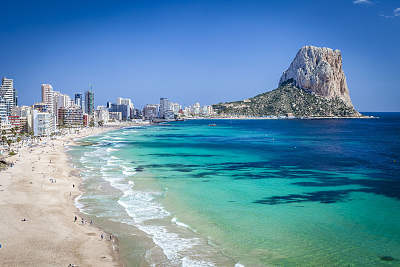
Costa Blanca
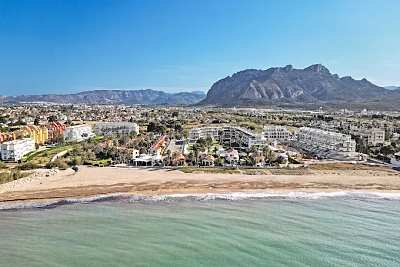
Costa Del Sol
Both coasts support short-term rental models for owners who spend winters in the property. The choice is usually price versus infrastructure. Budget-conscious retirees often start on Costa Blanca; buyers who want Málaga airport convenience and a denser service network lean toward Costa del Sol. Visit in the season you plan to stay: January in Jávea feels different from August on the Marbella strip.
Price tags understate the real cheque. On a €400,000 budget, you cannot spend €400,000 on the home. Purchase taxes, notary, lawyer, NIE, bank account, survey, furnishing and setup usually add 10–15%. Currency risk sits on top: prices are in euros, so a weaker dollar raises the USD cost of the same villa. For large transfers, many buyers use a currency specialist rather than a retail bank rate, and they lock a rate once the notary date is firm.
Then come the annual bills. IBI property tax often runs about 0.4–1.1% of cadastral value. Community fees can sit around €100–400 a month depending on pools, gardens and lifts. Add utilities, insurance, property management if you rent, and non-resident tax filings. A €300,000 apartment can easily cost €4,000–6,000 a year to keep, even before empty months. Walk the full buying process with those numbers on one sheet before you shortlist viewings, and keep a cash reserve for the first winter when rentals may not yet cover the bills.
Properties for Sale in Jávea
Jávea is a frequent pick for American retirees who want winter sun, a walkable old town, and enough holiday rental demand to cover the months they are back in Florida. The listings below are currently for sale and span apartments and villas at different budgets.
Current Listings in Jávea
Ready To Plan?
Map Your Winter Home Budget
See the Spanish purchase costs, taxes and cash buffer you need before you fly over for viewings.
Review Buying Costs & TaxesTalk to a local broker
We live and work on Costa Blanca North — Jávea, Dénia and the towns around our office. We are a licensed estate agency, not only a guide: homes on our books, trusted partners for banking, legal, currency and other locations when you need them. Tell us where you are thinking of moving. No property shortlist required. We will help you find a sensible next step.
Talk to us